Deconstructing a Wedding: What Worked, What Didn't, and Where I'm Headed
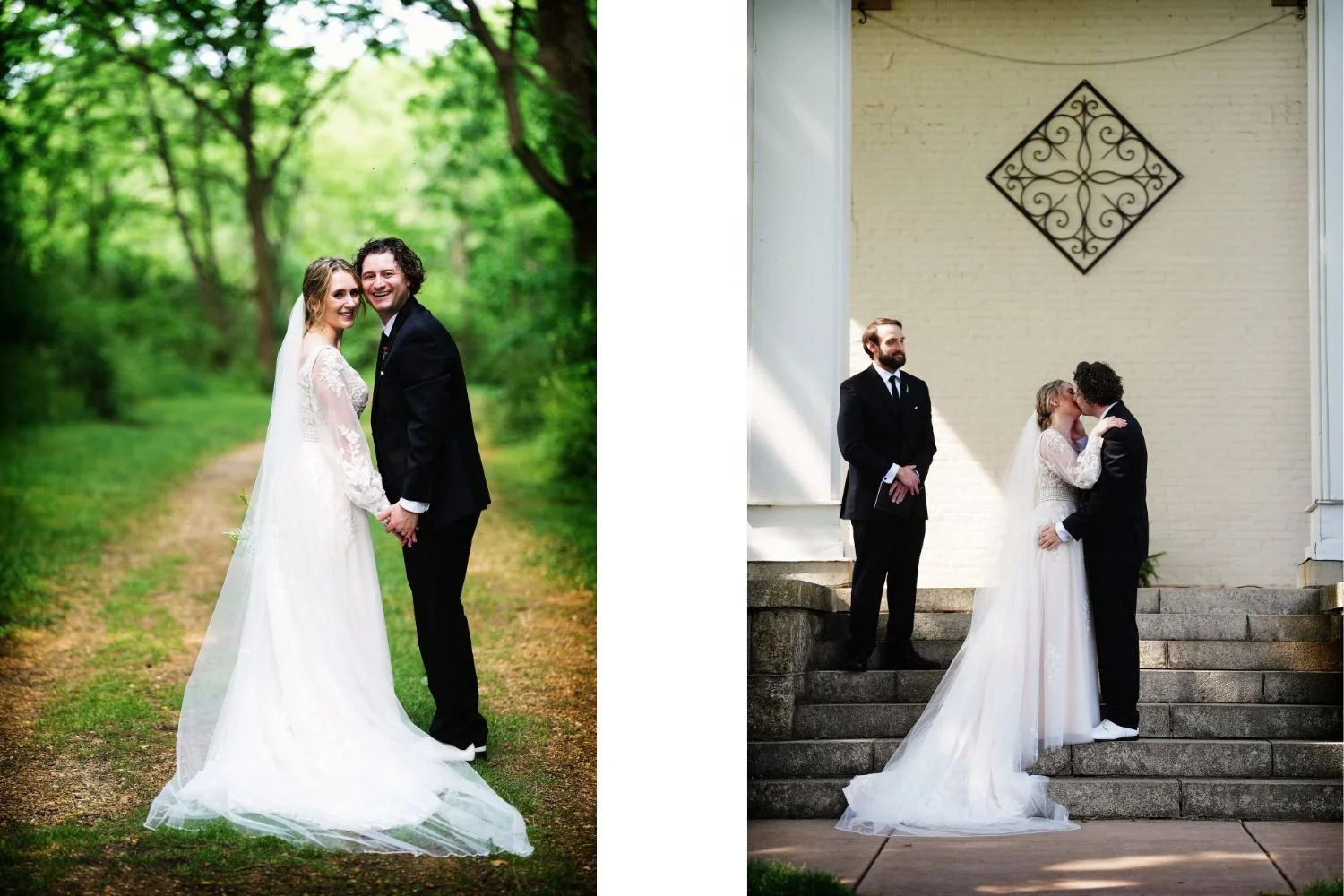
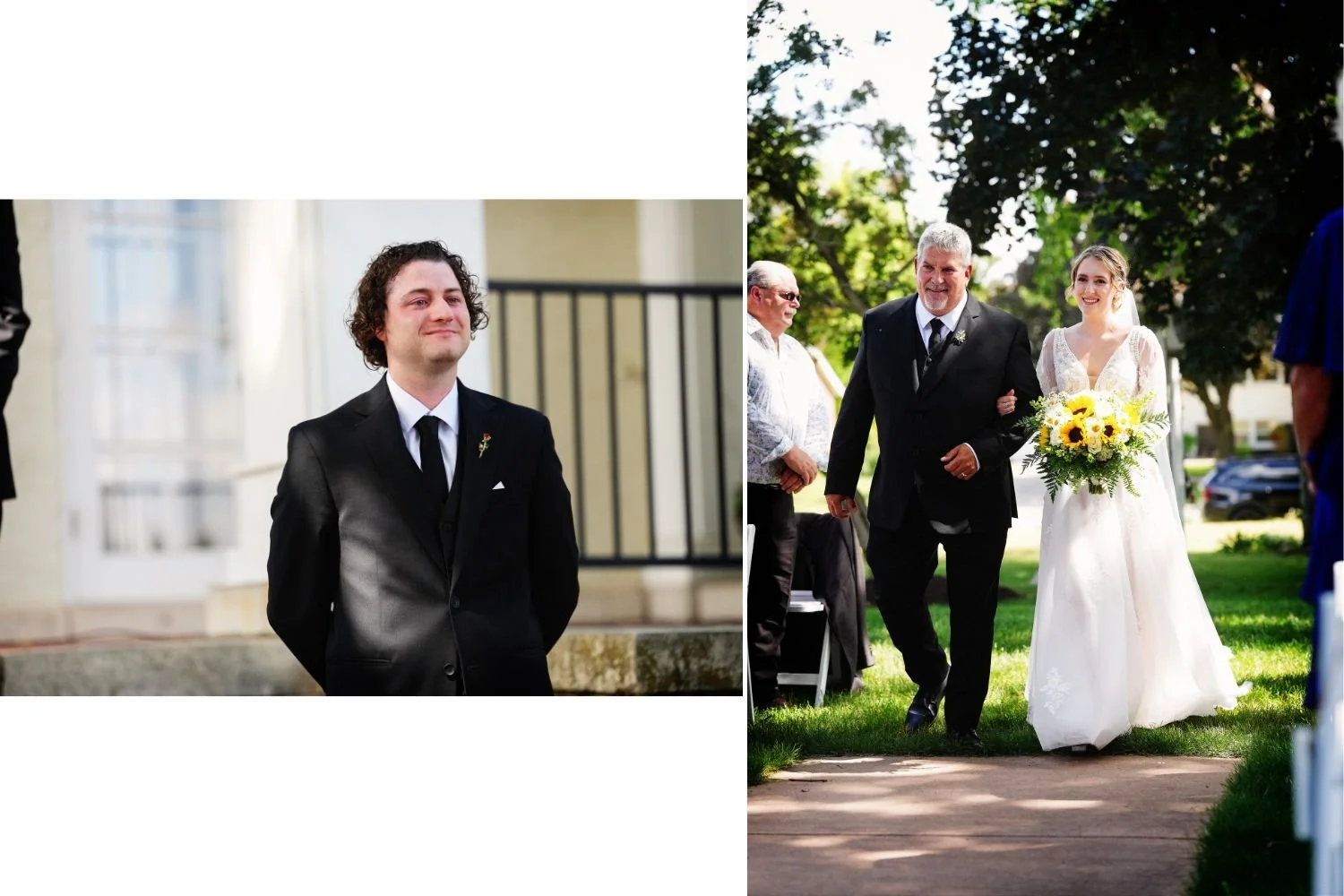
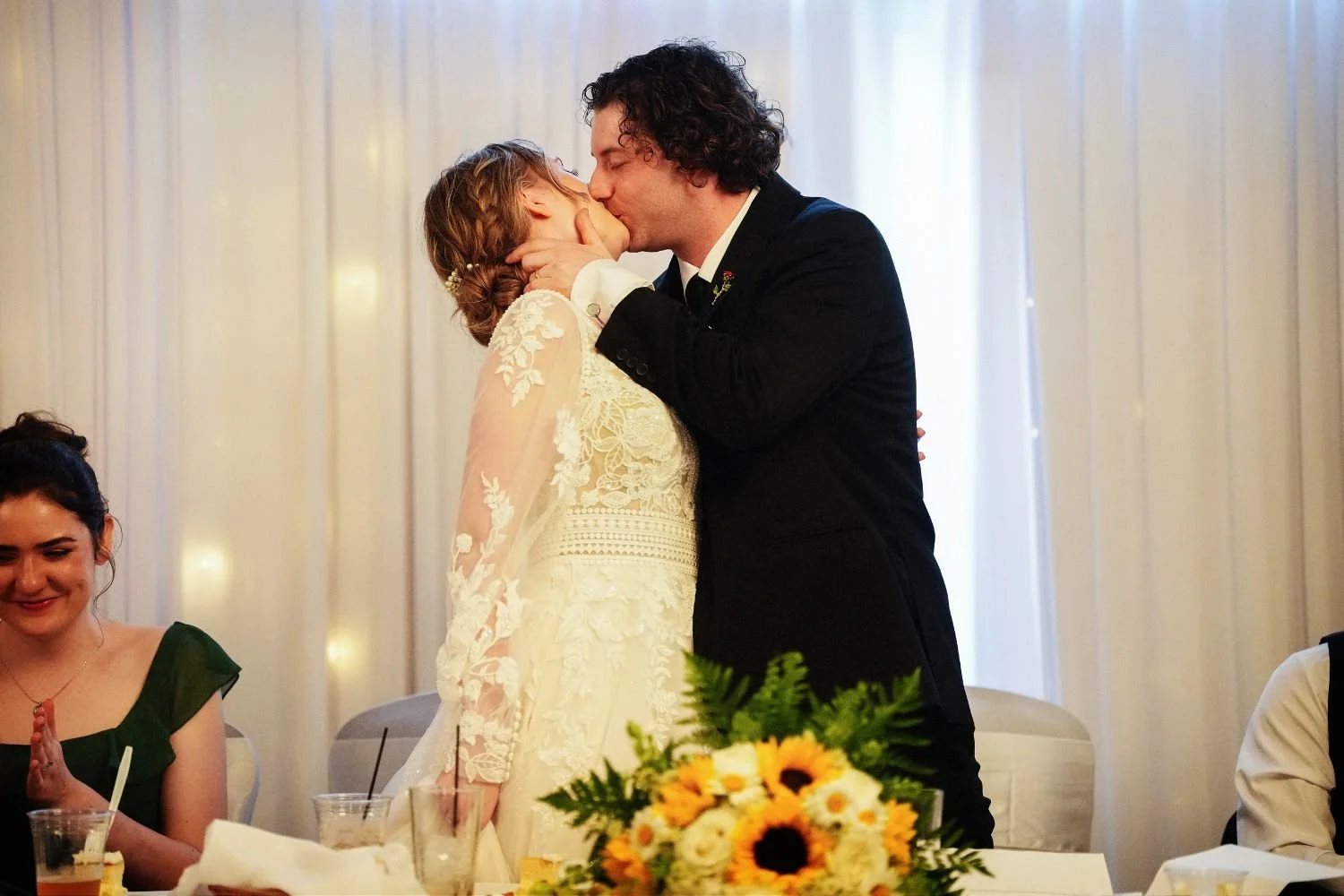
Every wedding teaches me something. Haley and Sam's this past weekend — held at the historic and charming Ludlow Mansion in Monroe, WI — was no exception. A thoroughly lovely couple, welcoming families, a warm late spring day, and wonderful emotion made for my perfect wedding environment.
The one and a half hour drive home turned into a full gear and workflow audit.
Here's my honest breakdown after that drive and subsequent ruminating on it on Sunday.
The Venue and the Rehearsal
Attending the rehearsal added about four hours to the weekend without direct compensation for this wedding, but the return on that investment is real: I get to know the couple and the key players, scout the location, and walk into wedding day with a mental map already drawn. The ease of coverage that comes from that familiarity is worth it every time. I’m not a shock to the system for people on an already hectic and stressful day (the wedding day), I’ve already handled that period of awkwardness that occurs when a photographer and cameras are thrown into the mix.
Ludlow Mansion was a pleasure to work in. It had genuine vibe and character — a far cry from the modern, hotel ballroom — and having the couple staying on-property made moving between bride and groom seamless.
Gear: The Honest Audit
What I Carried vs. What I Should Have Carried
I set out to pare the kit down to essentials. I did okay — but not well enough. By the drive home, my lower back was letting me know it.
The culprit is a familiar one: carrying my heaviest glass on one side for hours accumulates. The 28-70 f/2 and 50-150 f/2 are exceptional lenses, but they carry a cost beyond their price tag. Swapping to a full prime kit has crossed my mind more than once, but I know from experience that I'd miss the flexibility of those zooms within a single wedding. That's not the answer.
What is the answer: matching the right lens to the right part of the day.
I ran two bodies: the A1 and the A1 II. The A1 II had no battery grip on it . The A1, however, still had its grip on, and that's coming off going forward. Though the grip helps especially for verticals, the added weight just makes it a bit much at the end of a 8-12 hours day.
And the belt pouch system I've been using for carry? I happened to forgot it at this wedding and in hindsight, was glad I did. A full day on a belt works the lower back over for me. I'm going to try replacing it with a Think Tank Aircross Sling Bag 11L, which should distribute weight better and naturally keep the tool selection minimal. We shall see if that does the trick.
A Phase-by-Phase Breakdown
Prep
Problem: I had the 50-150 on my shoulder during prep — overkill for that part of the day and unnecessary fatigue.
Going forward: 24-50 f/2.8 G and 85mm f/1.8, with the 90mm macro within reach. Small strobe. Sling bag. That's it.
Ceremony
The ceremony itself was held outdoors on the steps of the mansion — no altar, no formal setup, just a simple and personal exchange officiated by one of the couple's closest friends (who ironically has his own wedding in nine days!). That intimacy of setting makes for some of the most genuine coverage; there's nothing artificial to work around and nothing between you and the moment.
The 16-35 and 50-150 combination was truly perfect here — wide enough to take in the steps, the oak tree and the rest of the surroundings, long enough for compressed, intimate coverage of the couple and their officiant. This pairing stays.
Going forward: Break these out specifically for ceremony and leave the sling bag behind during this phase.
Grand Entrance
The 16-35 did the work, but going slightly too wide was a risk.
Going forward: The 24-50 is a better fit — lighter, still covers 24mm, and reduces the chance of distortion at the edges. A flash in the hot shoe for bounce will continue to be used as it was on the day.
Table Dash
This is where the 16-35 earns its place beyond any doubt — and where the case against going all-prime becomes clearest. The table dash is inherently chaotic. Guests are animated, tables are packed, the angle of every shot is different. Being able to float anywhere from 16mm to 35mm in real time to find the optimum framing without moving your feet is exactly what a zoom gives you that primes simply can't. Sometimes the scene called for wider to take in the whole table; sometimes a tighter crop made a better image. A fixed focal length would have meant constantly compromising the framing.
Lighting here was a single speedlight in the hotshoe, bounced — not direct. That distinction matters. Bounced flash wraps the light, and fills shadows naturally. Direct flash is harsh and flat, and while it is currently in vogue, I believe the softer light from bounce flash tends to be more flattering. The bounce approach kept everything looking like available light with a little help.
Speeches
The 50-150 performed well for tight coverage of speakers.
Going forward: Adding a monopod (either the Sirui video or photo version) for this stretch. Eight hours in, hand-holding a long lens during extended speeches is a fatigue tax I don't need to keep paying.
Reception / Dancing
The 28-70 and 55mm f/1.8 did the job. That said, I'd love more low-light character in these shots — the kind you get from faster glass.
Going forward: A 35mm f/1.8 (Sony or the Viltrox 35 Evo) is on the radar as an affordable way to open things up in low light without a major investment. The 28-70 is pretty heavy, especially at this time in the evening, the 24-50 will be a better option going forward (when used with flash, especially)
Lighting
Strobes
The AD200 on a 9-foot stand was used specifically for the post-ceremony family portraits outside — exactly the right tool for that job. Plenty of power to balance against the late afternoon ambient. No modifier other than a reflector was needed; the goal was reach and punch to fill in the outdoor light. A small Cheetah umbrella/softbox stays in the bag for situations where diffusion makes more sense.
LED
The Zhiyun 60W RGB with fresnel and barn doors continues to be a reliable back lighting kicker for dancing. The Amaran Ace 25 Color is solid for handheld on-camera work, though the magnetic mount isn't as secure as I'd like and the balance isn't ideal.
The Harlowe 5W LED is a nice little tool — not sure it has enough output for the dance floor, but worth continuing to evaluate.
Going forward: I brought two V-mount batteries and used neither. One battery plus a small power brick for the Ace 25 as a second light source is probably the smarter load. The 8-foot Cheetah stand I brought and didn't use is also getting swapped out for a lighter Ulanzi 6.5-foot selfie-style stand dedicated to the Ace — more practical, less weight.
Photo Only: A Different Kind of Freedom
One thing worth naming: this was a photo-only event. No video, no multiple camera setups, no tripods, no audio — and I noticed it. There's a clarity to covering a wedding when your only job is to make great still images. No worrying about whether a taped lav microphone stays in place during the vows, no managing extra camera bodies for “coverage”, no audio worries or sync headaches in post. Just you, the moment, and the frame.
I genuinely enjoy the full wedding film process, but days like this are a good reminder of how much mental overhead the video and audio side adds. Something to keep in mind as I think about how I structure offerings going forward.
The Bigger Picture
The work itself was strong. The couple was happy. I was pleased.
I'm also at a point in my career where the physical sustainability of how I work matters just as much as the creative output. A back that holds up across a full season is as important as any piece of glass I carry.
The goal isn't just to carry less — it's to carry smarter. The right tool at the right phase of the day, distributed better, with less redundancy. That's the direction.
Always evolving.