
Sony Announces the RX10IV (and it is an amazingly powerful camera for action!)
This morning Sony announced that little camera above, the Sony RX10IV and it is an amazing camera for a variety of reasons.
What's New?
This camera now fires 24 FPS for a substantial burst in it's fastest mode. What this means is that you will be able to shoot action for a sustained period of time.
And, as Sony increased the frame rate of the camera, it also added Phase Detect AF. This is the sophisticated and amazingly accurate Sony method of tracking action over a large portion of the size of the sensor.
It's also a SILENT camera at the 24 FPS speed (or any other for that matter) which makes it incredibly useful when shooting in delicate situations or when you just don't want people to know how many photographs you're shooting of your kid while batting!
These three features are the ones that I have been waiting for -- especially the addition of the tracking PDAF AF! I had used the 3 previous versions of the camera and they were very good -- with the addition of this fast and accurate AF -- this makes the camera useful to me. The camera covers nearly 65% of the sensor with 315 PDAF points.
What Else?
And while they've added these killer features, they've kept some of the other features like the super sharp 24-600 (35mm equivalent focal length) f2.4-f4 Zeiss zoom lens.
The camera is an all-in-one -- meaning the lens doesn't come off -- so this means that the sensor stays clean (helpful if you're overseas and you just can't clean the sensor)!
The zoom is motorized which also makes it superb for video, because the zooms are sure and steady.
The leaf shutter (mechanical shutter) is still present just like it was in the RX10III and this allows for synching flash at very high speeds. How this helps a still shooter like me is that you don't have to push the flash into the High Speed Synch mode (which takes power from the flash and slows recycle) and instead lets you natively synch a flash at a speed above the normal 1/160th or 1/200th that you need for an APS-C or Full Frame camera.
Practically speaking it means that you can use a much smaller flash to achieve an effect of a much more powerful strobe -- and this can be helpful to lighten the load and to synch at speeds virtually impossible with a bigger sensor camera.
Who Is the Target Market for this Camera?
In the past I would have said that consumers, advanced amateurs and folks that are just wanting a better, longer reach than a point and shoot (and smartphone, of course) but don't want the hassle or expense of buying into an interchangeable lens system camera.
Those folks will still love this camera -- in fact they'll probably love it a whole lot more.
But this is a camera that I will add to the bag as a pro for both stills AND video.
Now it can really do the work of shooting action -- up until now, it was only a Contrast-based AF system and it just left me frustrated. No more. Not with this new camera.
I joke that it's a "mini a9" because of how fast, accurate and silent it is.
Soccer Moms/Dads, Little League Parents, and folks with kids playing flag football, freshman and junior varsity football will especially LOVE this camera because now they've got a lens that really reaches and allows you in to see faces.
For folks going on a safari this camera will track the action much like it's bigger siblings the a6500 and the a9 and will do it at 24 FPS and silently! Oh how I wish I had had this camera back in July when we were at a game park in South Africa! It would've paired nicely with the a9 and the 6300 that I was using!
Sony though, in my opinion, has really opened this camera to pros and aspiring pros because of the feature upgrades.
For smaller newspapers, websites that require more than a smartphone and also want to shoot stills and video to a very high quality -- this camera can deliver.
Pros who require fast and accurate AF will add this to their bag as a backup camera ( I have been using it alongside my a9 at sporting events -- primarily keeping the RX10IV on the very long end (600mm) to take advantage of the reach that I don't have on my FF).
As a great video camera it is surprisingly good -- headphone jack, microphone jack, the ability to click/de click the lenses -- these are all features that make it a videgraphers' dream little camera. This could be a great B or C cam (or maybe an A cam for some videographers).
Sony has created a camera that will make birders, safari goers, sports parents, and now even more pros in stills and video world very happy because they've added so many meaningful and useful features to an already powerful line of cameras.

“Steer Wrestling - RMV Rodeo”
****************************************
Camera: Sony RX10IV
Settings: 1/2500, f4, 400 ISO
Focal Length: 216mm (587mm equiv. In FF)
Lighting: Natural Light
***************************************
A cowboy wrestles a steer during the Rancho Viejo Rodeo in San Juan Capistrano in late August.
Using the RX10IV in AF-C and firing at 24 FPS, I was able to capture a sequence from the stands from a side angle at nearly 600 mm equivalent focal length!)

Thanks to the folks at Sony for giving me the opportunity to test this camera prior to launch! It is a winner!

Sirui Announces a new Video Head -- the VH-10X
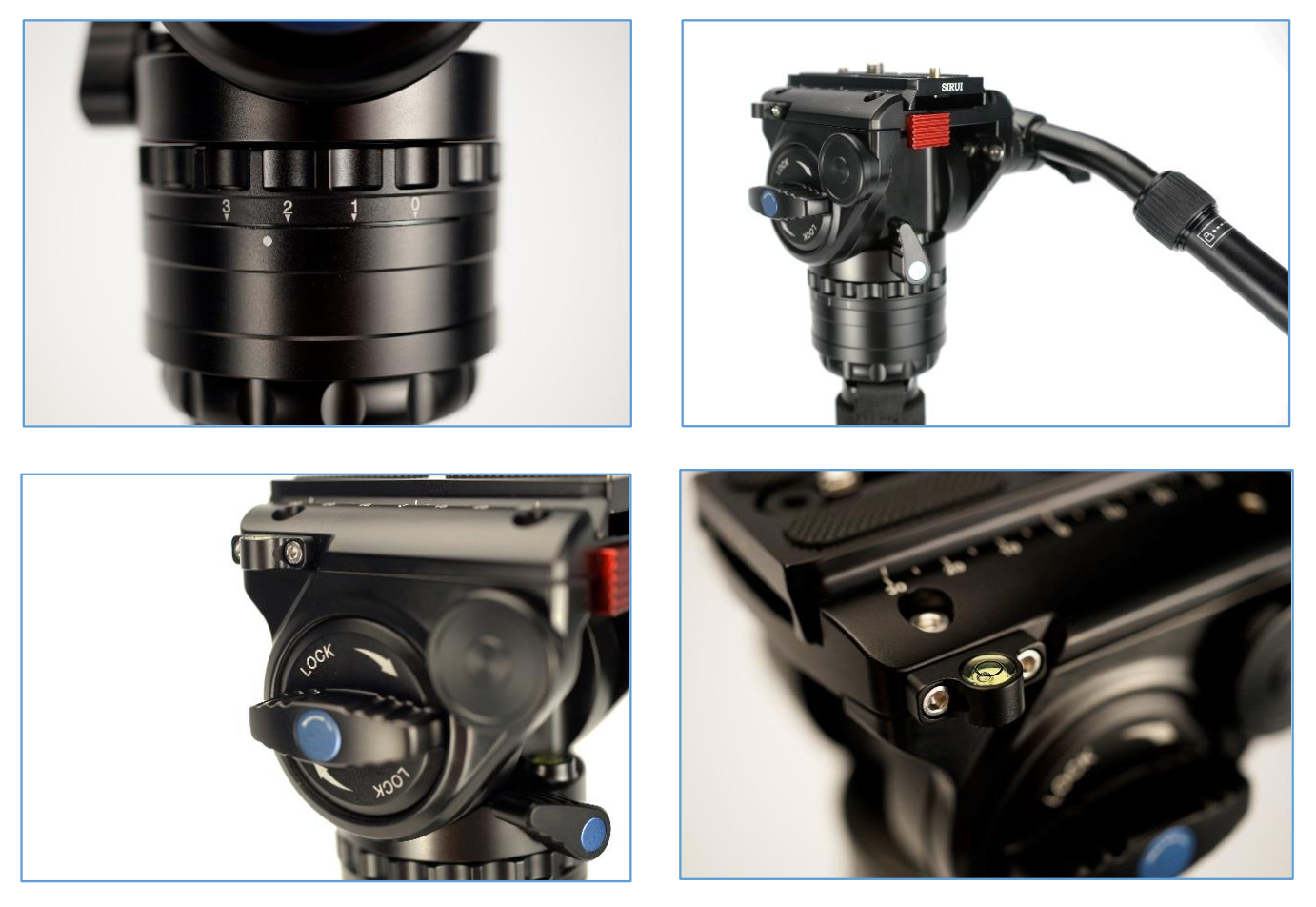
As a Sirui Professional, I am very happy to announce that they've announced a new video head - the VH-10X!
As a still photographer who is doing more and more video this type of head is indispensable in my work. I'm excited to upgrade from the original VH-10!
The SIRUI VH-10X Video Head has the following features:
Smooth Fluid movement combined with an advanced balancing system – 360 degrees horizontally and +90 degrees / - 70 degrees vertically.
Fully adjustable tilt drag knob.
Four-position panning drag including a free rotating zero setting.
Precision-machined lightweight aircraft grade aluminum construction.
Dual bubble levels for critical alignment.
Counter-balance mechanism (2 kg / 4.4 lb.).
Telescoping handle can be easily positioned on the right or left side of the head.
SIRUI’s patented safety lock system insures your camera will not slide off the head while
adjusting the position of the plate.
VP-90 quick release plate included.
Padded carry case included.
6-Year SIRUI Limited Warranty.
Included in the box: VH-10X head, telescoping handle, VP-90 quick release plate, soft case, tools, instruction manual and warranty card.
Product Model Material Height
Total Weight Load Capacity
VH-10X
Aircraft Grade Aluminum 12.5 cm / 4.9 inches
1.2 kg / 2.6 lbs.
6 kg / 13.2 lbs.
Check out their website at: http://www.sirui.com/
Post Labor Day/Summer's Over and Fall Portrait Season is officially ON!

The Martinez family, photographed at Salt Creek Beach just after sunset. This panorama portrait was created specifically for their home and the area over their mantle.
I hope you had an awesome Labor Day weekend.
The traditional “end of summer” means the kids are back in school, soccer, fall baseball, flag football, HS Football and all things autumn are starting to be in full swing.
This time of year is often “Family Portrait Season” because it is the time that many of my clients (new and old) decide it’s time to gather the family and have an awesome session. (It's also an amazing time for HS Senior portraits too!)
Now is the perfect time to schedule — before the rush.
Plus our fall is shaping up to be very hectic with studio portraits for our new in studio beauty portrait line and a lot of travel in my role as a trainer representing Sony (one of nearly 50 Sony Artisans of Imagery — a HUGE honor).
We want to make sure we can get you in for a shoot so don’t hesitate to call us right now to get it on the calendar.
And in terms of the photographs — this time of year is also the beginning of a photographer’s dream — our west coast beaches at sunset. After Labor Day the beaches are far less crowded and the sky, tides and sunset are amazing. In fact, the best skies in California are in fall and winter.
Here are the top Five locations for family and other portrait sessions here in southern OC:
• Salt Creek Beach
• Riley Wilderness (this place is a madhouse close to Thanksgiving — best to schedule NOW and shoot mid week)
• O’Neill Regional Park — a great location that makes you think you’re out in the woods and not in the middle of the OC
• Thousand Steps Beach — worth the hike back up and the last time I was there for a session basketball star Klay Thompson was there!
• YOUR house. Yep, this is probably my favorite location because it is meaningful and is often different as your children grow and change.
Where do you want to be photographed?
Let us know! Call Nicki today to schedule your session!


I have photographed the triplets every year since 2008! The top photograph was made in 2011 and the bottom one was made in the fall of 2016 (both were made at their home).
Details & Tools for our Epic South Africa Portrait Shoot of Nompilo

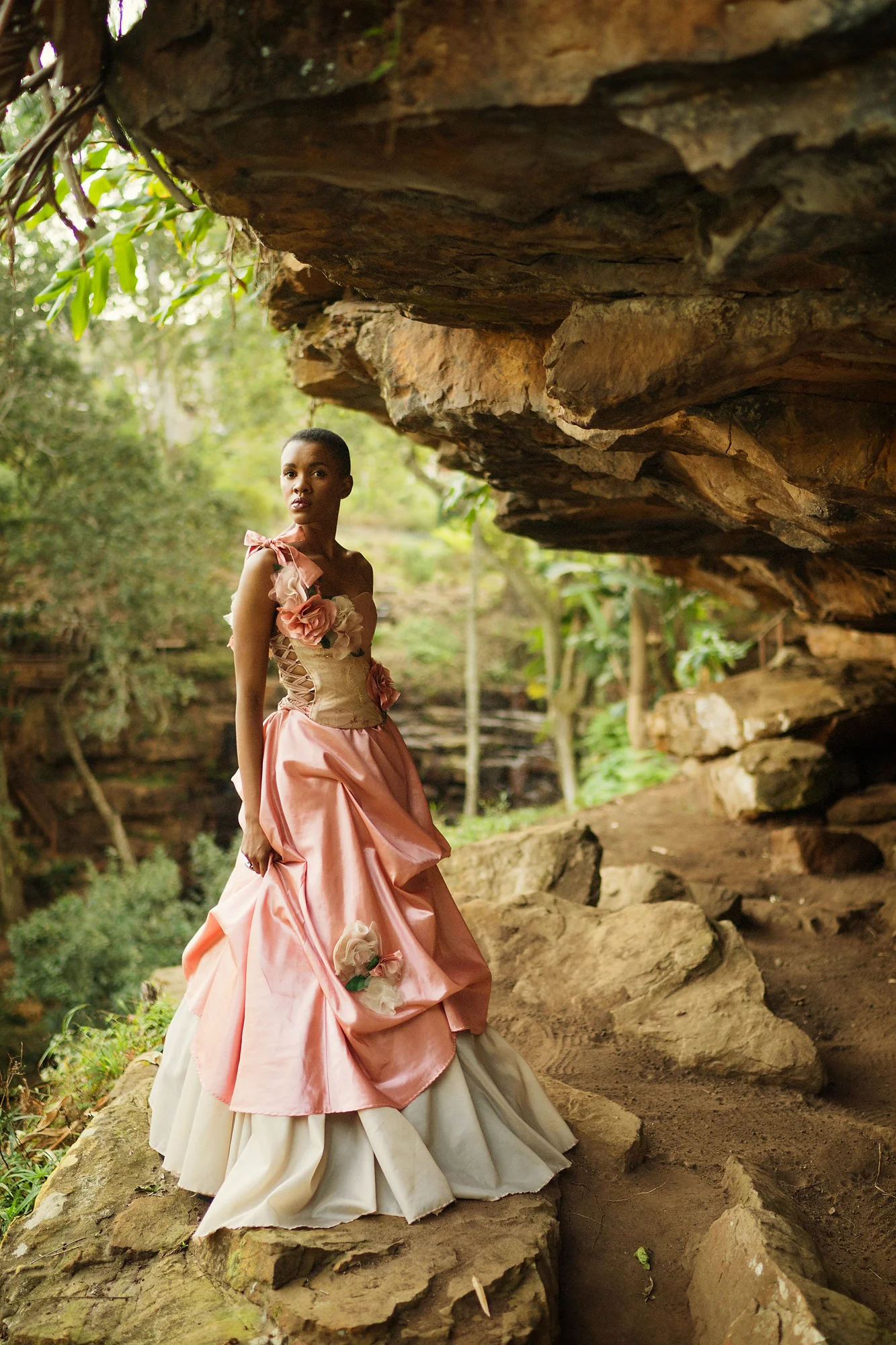
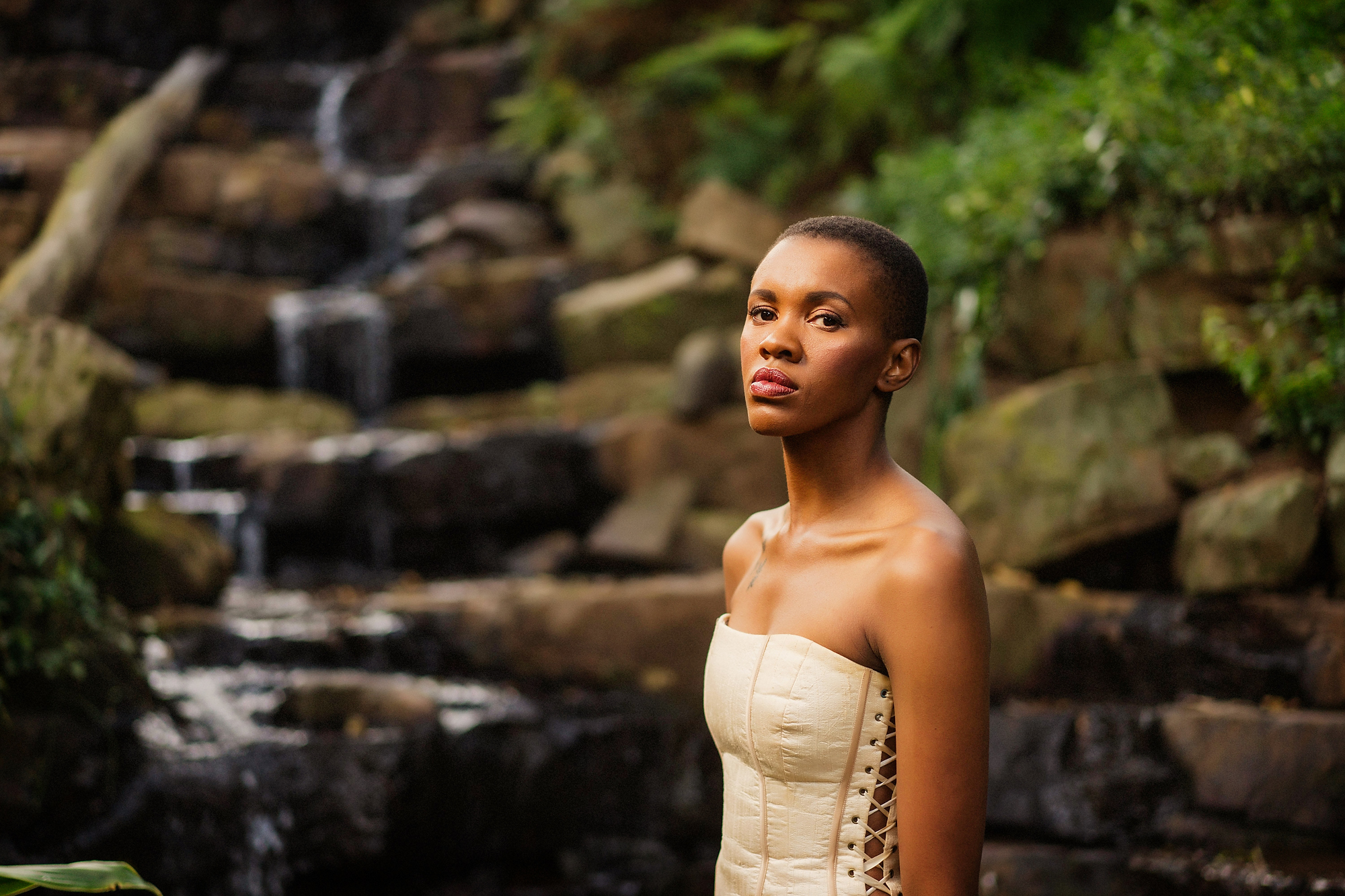
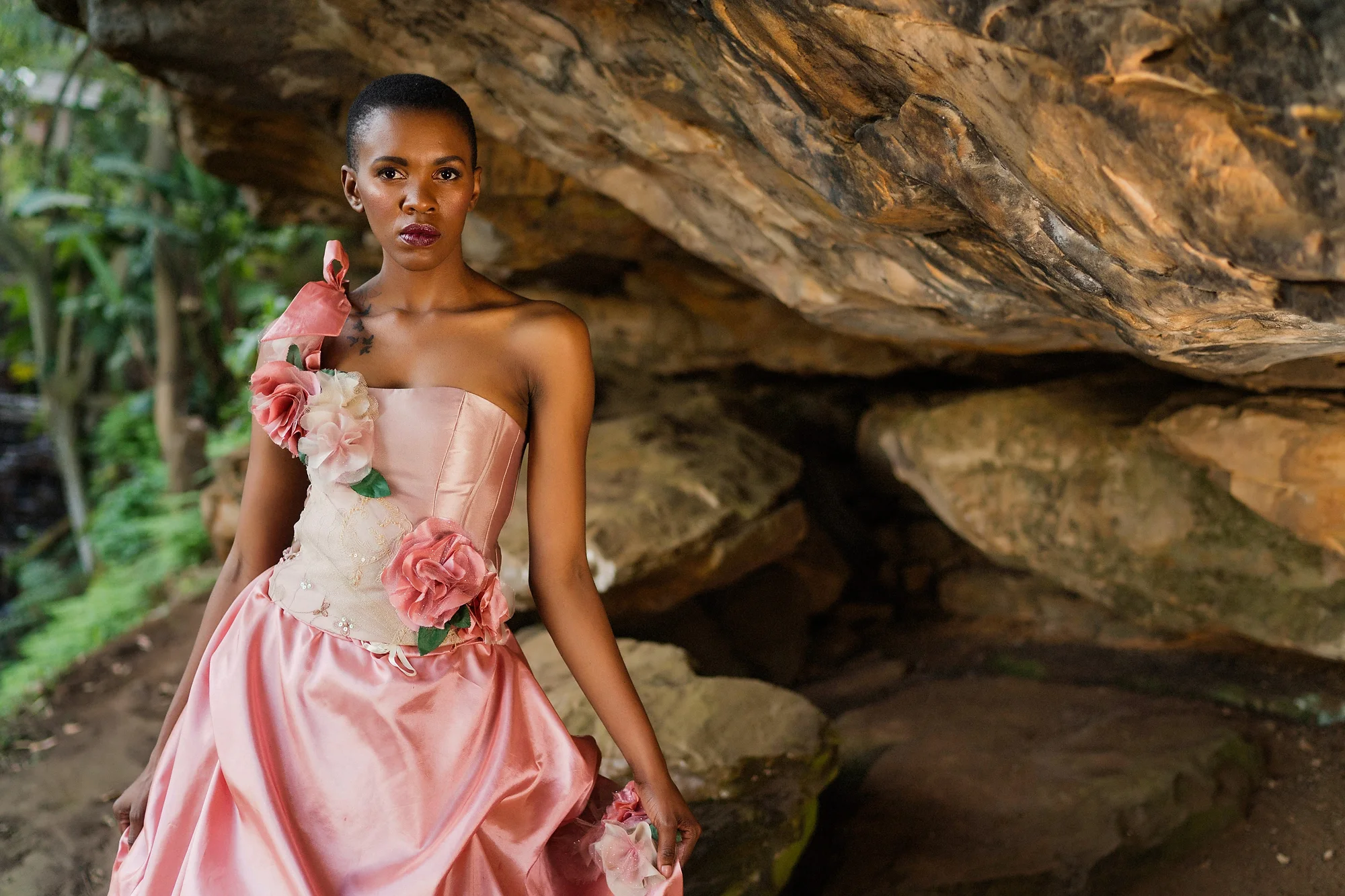
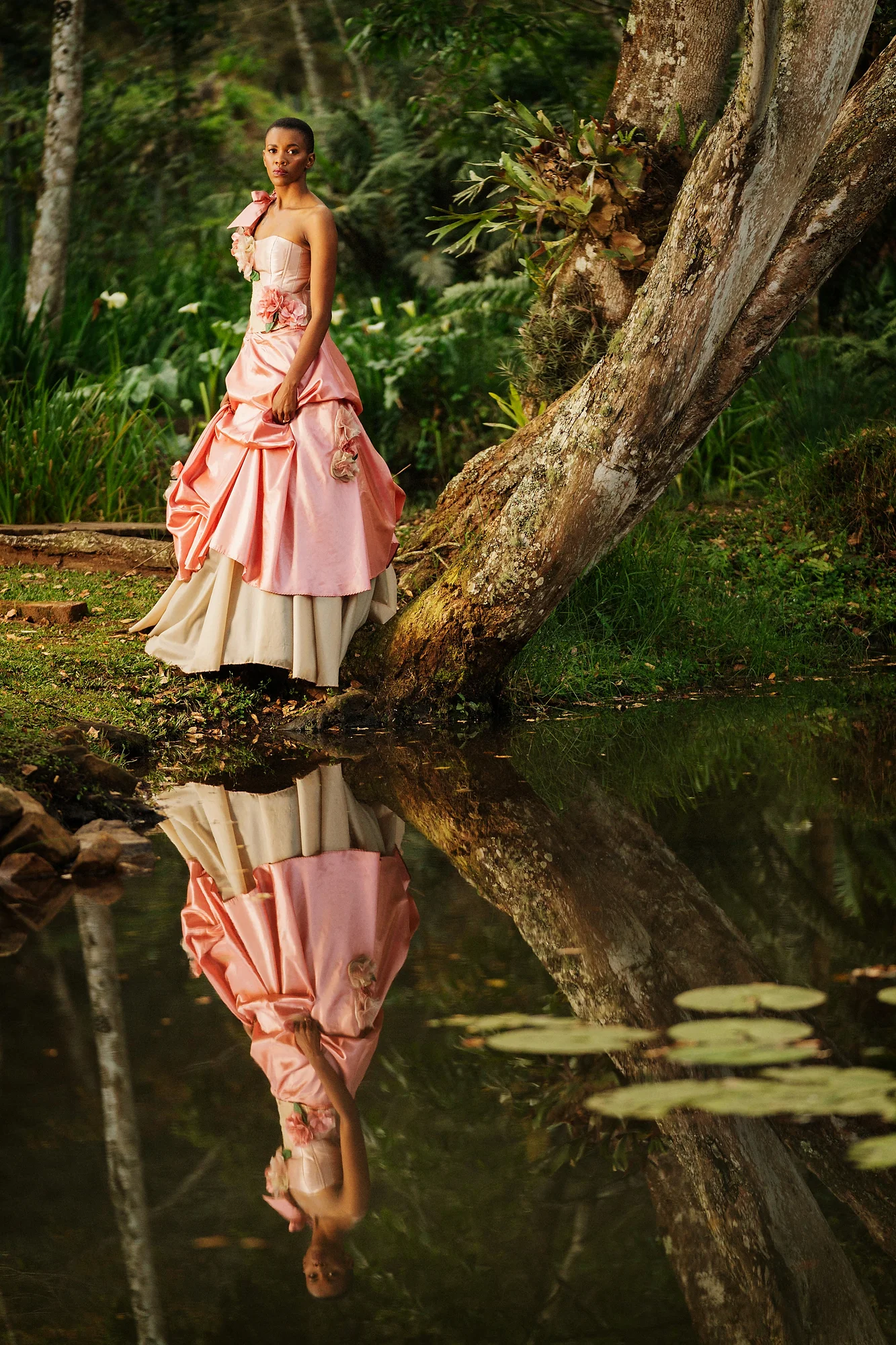
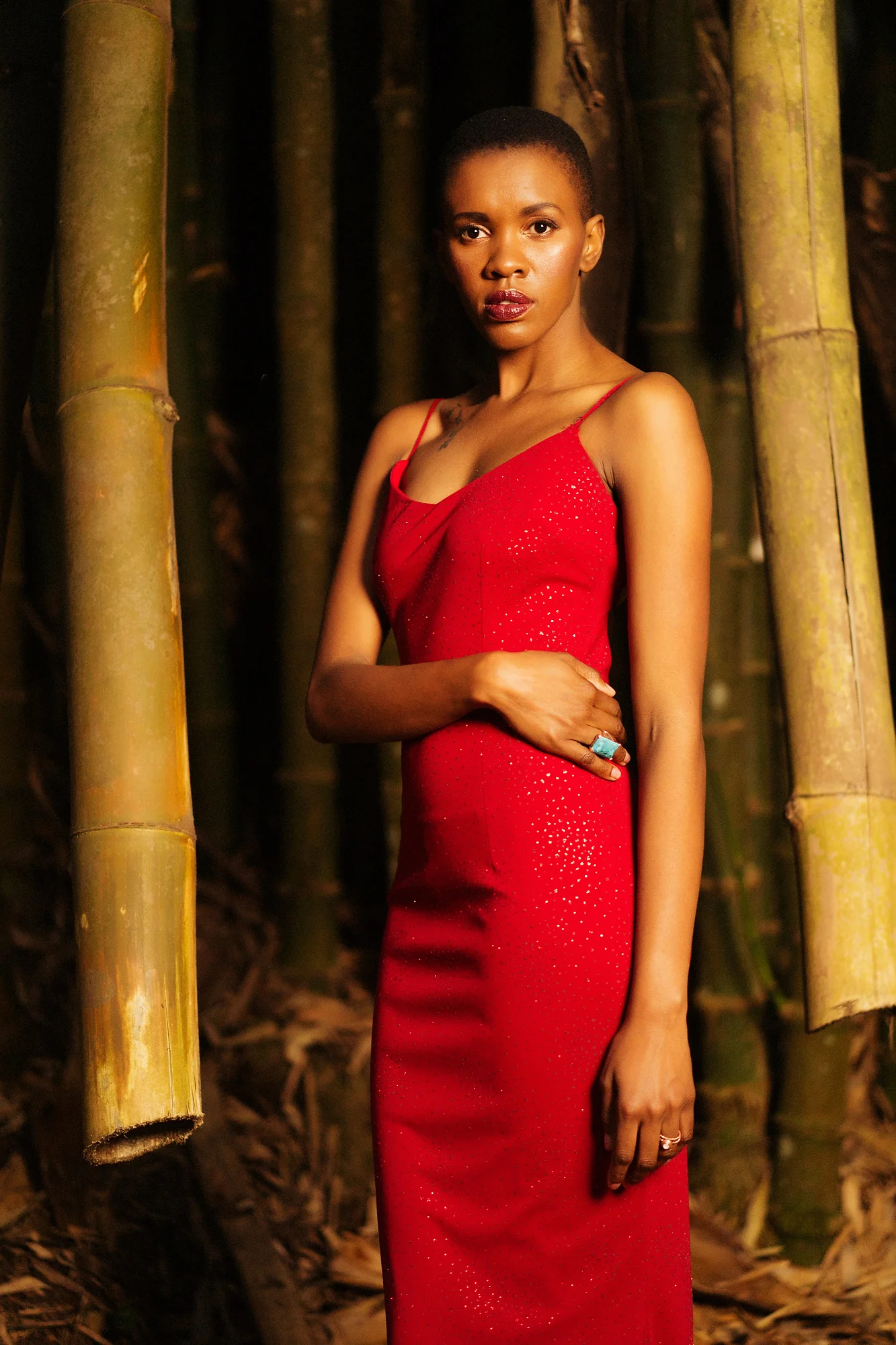
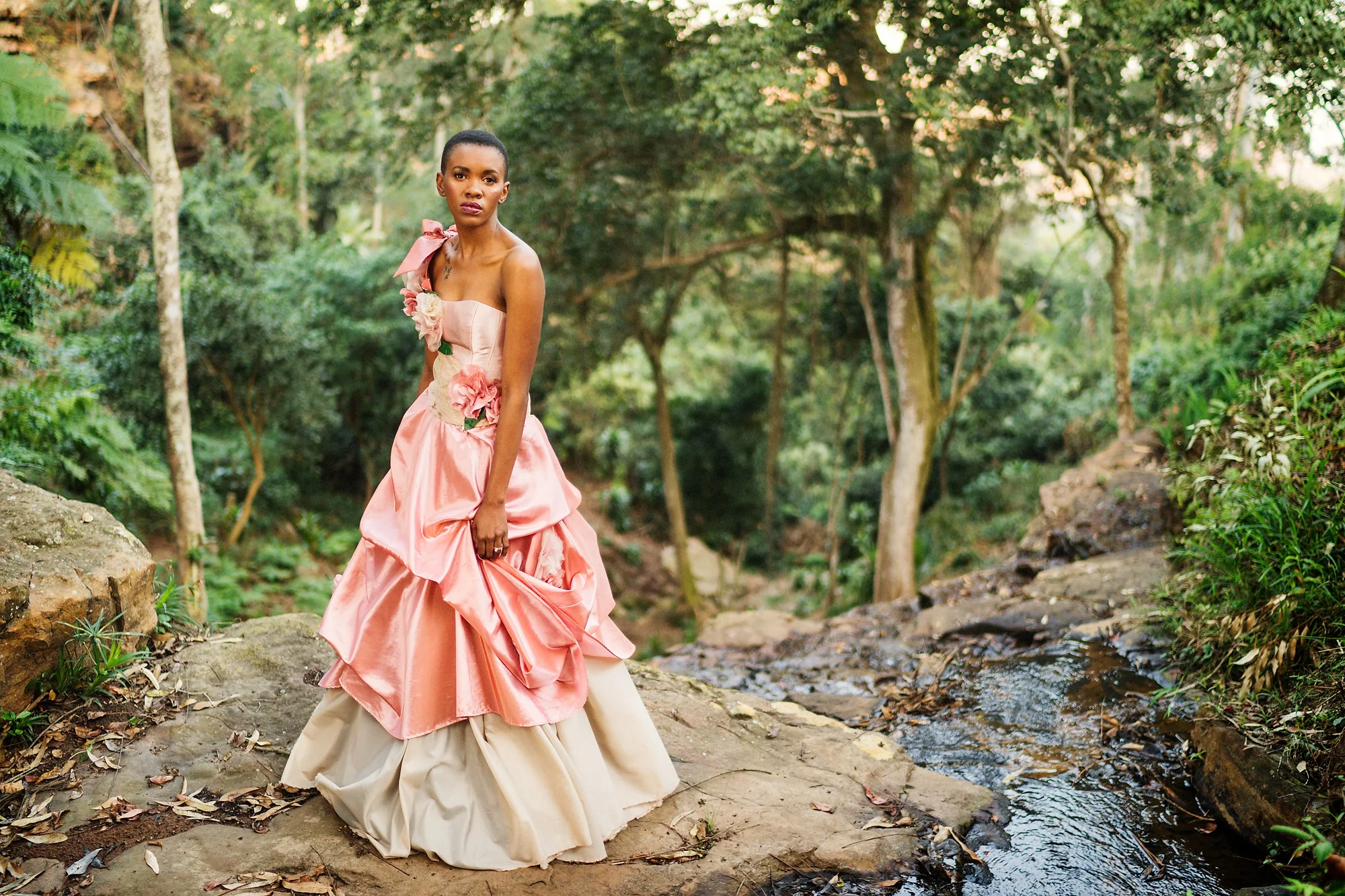
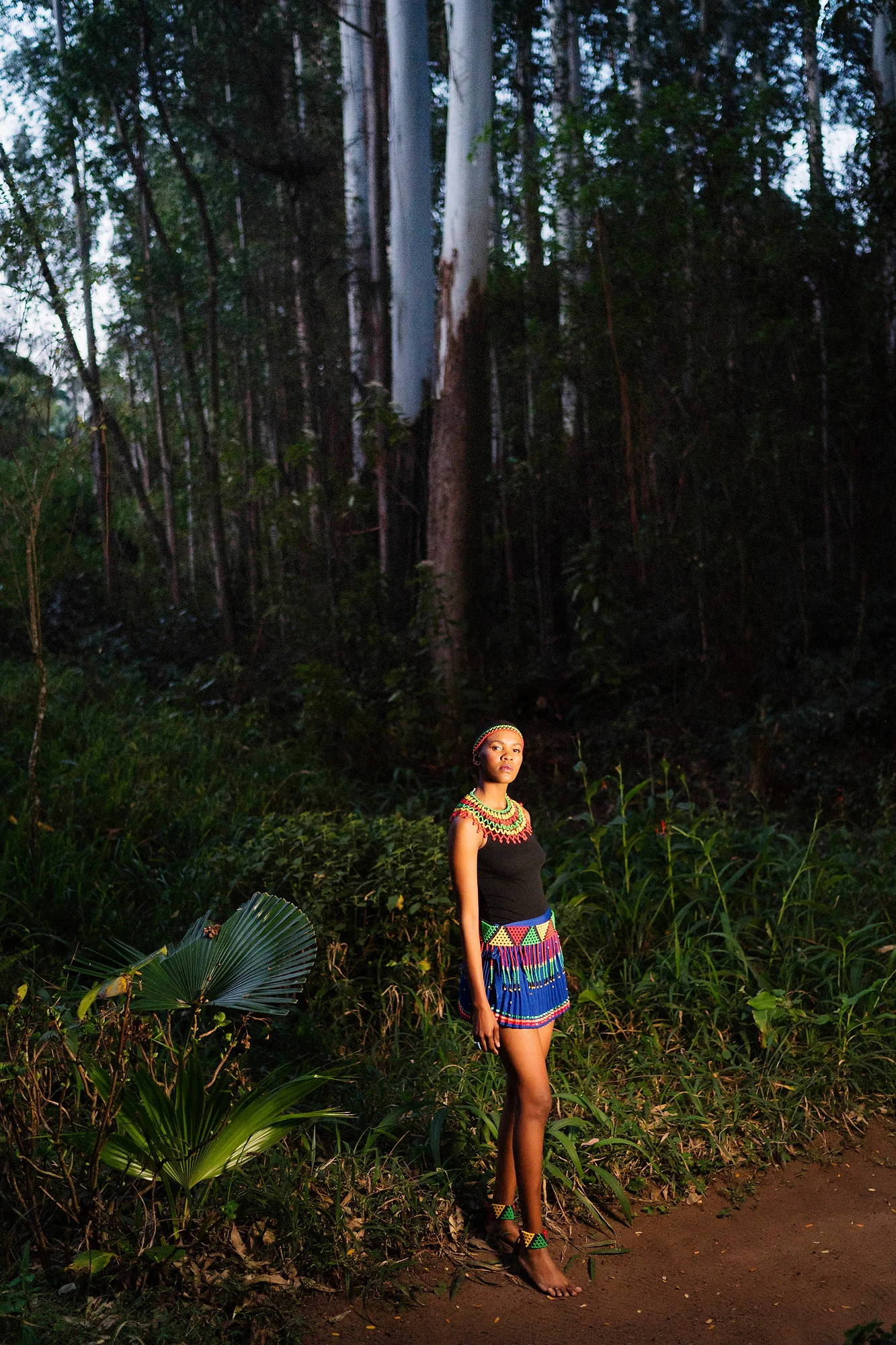
Here are photos from our epic shoot with Nompilo, a South Africa member of the Zulu tribe, who modeled for me when my wife and family and I were visiting South Africa.
I wanted to share some of the nuts and bolts about gear that was used for the shoot to give you an idea of what was required (and some of the tools might surprise you!)
Since we were traveling half way around the world and there are strict limits on weight, I was trying to pare down the kit to as little as possible.
For cameras, I brought an a9 (which I used for nearly 100% of my work while there), an a7SII and an a6300 (which I mostly used for video).
For lenses: I brought a 10-18 f4 Sony (mostly for video), 24-70 f2.8 ZA lens with an LA-EA3 adaptor (A-E Mount), 70-200 f2.8 G Master, 35mm f1.4 FE Zeiss, 55mm f1.8 FE Zeiss, 85mm f1.4 FE G Master and a 90mm f2.8 G Macro lens.
For lights, I traveled with two Godox V-860II S (Sony) strobes and two of the X-1 radio triggers. I also brought with my my new favorite lighting tool — the Godox AD200 flash that is 3 1/2 times more powerful than a conventional speed light (and not that much bigger).
V-860IIs- http://gomolight.com/index.phpmain_page=product_info&cPath=1_31&products_id=70
AD200 Flash: https://myad200.com/collections/godox-ad200-pocket-flash/products/godox-ad200-evolve
I brought a couple small light stands, a Manfrotto Nano Stand and a Cheetah C8 stand.
Manfrotto Nano stand: https://www.adorama.com/bg3373.htmlgclid=EAIaIQobChMIqZKkmcf61QIVAWp-Ch39aAfTEAYYAiABEgI3efD_BwE
Cheetah C8: http://www.cheetahstand.com/Cheetah-Stand-C8-p/c8.htm
To carry the stands and my tripods, I used a case from Versa-flex (41”)
http://www.versa-flex.com/product/tripod-stand-bags/
I also brought two of my favorite LED lights — the PRL Lighting Lustra 50 (http://www.prllighting.com/product/lustra-50/)
For modifiers I used a couple of very inexpensive Godox modifiers that are very portable.
A Godox 32” box was my main source and I used a Bowens S-Adaptor to hold the AD200 flash.
I also used this little Godox umbrella/softbox that was used with the LED light.
https://myad200.com/collections/godox-ad200-pocket-flash/products/32-softbox-and-grid-godox-ad200
To hold a flash and an LED into this modifier, I use the Quad Bar
https://myad200.com/collections/godox-ad200-pocket-flash/products/quad-bar-for-godox-ad200
I use a small QR plate on the LEDs, the AD200 for quick mounting and they are here:
I’ve got six of them on the Quad Bar to place LEDs and strobes throughout the bar as need.
Lighting was done through the camera primarily using TTL and tweaking Flash Exposure Compensation as needed.
The last shots of Nompilo in her Zulu traditional clothing were made with the LED light because it was so dark I could barely see, let alone shoot.
After the shoot, I hauled out of the conservancy using the Lustra50 to light the way.
For bags: I carried the cameras in a Think Tank Airport Security Roller https://www.thinktankphoto.com/collections/airport-series/products/airport-international-v3-0
I carried the lights in a Think Tank Airport Antidote https://www.thinktankphoto.com/collections/airport-series/products/airport-advantage
I carried my MacBook Pro laptop in a Sirui Urbanite BP a stylish and elegant case that carries gear as well: http://www.sirui.com/sirui-urbanite-bp-multi-purpose-photo-backpack.html
For my tripod, I brought with me a Sirui 1204 Carbon Fiber Tripod: http://www.sirui.com/sirui-w-1204-carbon-fiber-tripod.html
The ball head I brought was the Sirui K-20X ball head: http://www.sirui.com/sirui-k-20x-ball-head.html
I hope you found this helpful and let me know if you have any questions?
How Does the Sony a9 Perform For Wedding Photographers?

Ok….first things first…I’m a Sony sponsored Artisan of Imagery and I have an admitted bias to Sony cameras. I am not an employee, they don’t tell me what to write or what to say and these thoughts and opinions are my own.
I switched to Sony though in 2014 before I was ever sponsored by them, after using mostly Canon cameras since 1986. I saw then, and still believe, that mirrorless cameras are the future and I believe Sony is going to be the leader in a much-needed change in the industry for a variety of reasons.
Now that that is out of the way, here’s the TL; DNR version: The a9 is damn near the perfect camera for wedding and event photographers, and not just sports photographers for whom the camera was initially pitched (though they will love it as well!).
Frankly, it’s the camera I have been hoping for for, oh, about 35 years and Sony has created what I think will be one of the seminal cameras in the history of photography.
There are a few things that I think could make it absolutely perfect and I will touch on those near the end of my review.
So why do I think this is the perfect camera for wedding photographers? Let me count the ways.
1. Silent Shooting
The thing is Silent. Silent. As in dead quiet. You simply cannot hear the camera. This is such a gift to wedding photographers who have suffered the icy stares from priests, ministers, rabbis, and the dreaded church ladies, especially when the loud of shutters of modern DSLRS would go “ker-chunk” during the ceremony (and if you think DSLRs are loud, you should have heard how loud Hasselblad's were!). Thankfully cameras have been trying to get silent over time, but nothing has gotten to this level of absolute. dead. silence. Until now.
The Leica, the venerable Leica rangefinder, used to be the marker for this — in fact, in the 80s it was considered the hallmark of a quiet camera good enough for being used in a court of law. But, that camera was still not 100% silent and shooting with long lenses and at a high frame rate was nearly impossible due to the rangefinder focus (not through the lens, like the modern SLR or DSLR camera).
Back in the day, the Leica (for me, anyway) was a very wide angle/normal lens camera while SLR cameras (pre-digital) were for longer lenses. Eventually though, SLR cameras became the workhorse because they just allowed you to do everything from wide angles to telephotos.
But, and this is big, they were bigger than a Leica rangefinder and not as quiet. And, as digital SLRs became the norm, they became much bigger because AF made the lenses bigger. It was a ever-growing camera and lens line up built around a mirror that was needed back in the day to flip over from the viewfinder to exposing film.
Think of it this way: if a Leica rangefinder combined with a full frame Canon or Nikon sports DSLR, the offspring would be the bouncing baby Sony a9!
2. Fast AF & 20 FPS!
While fast AF (20 frames per second) is the much-hyped feature for this camera, it has limited applicability for wedding photographers. It’s already easy enough in this digital age to shoot and shoot and shoot. Twenty fps just makes it easier to shoot even more.
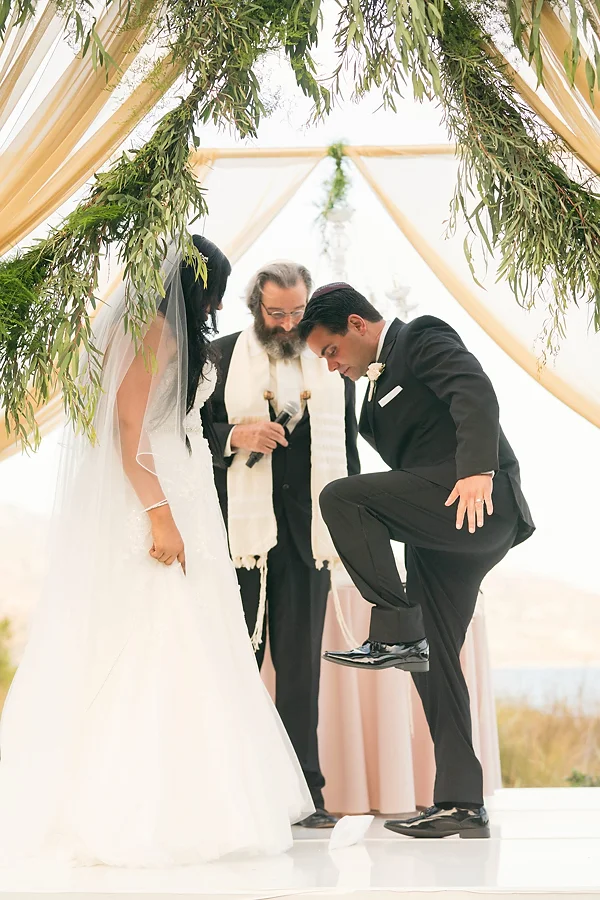
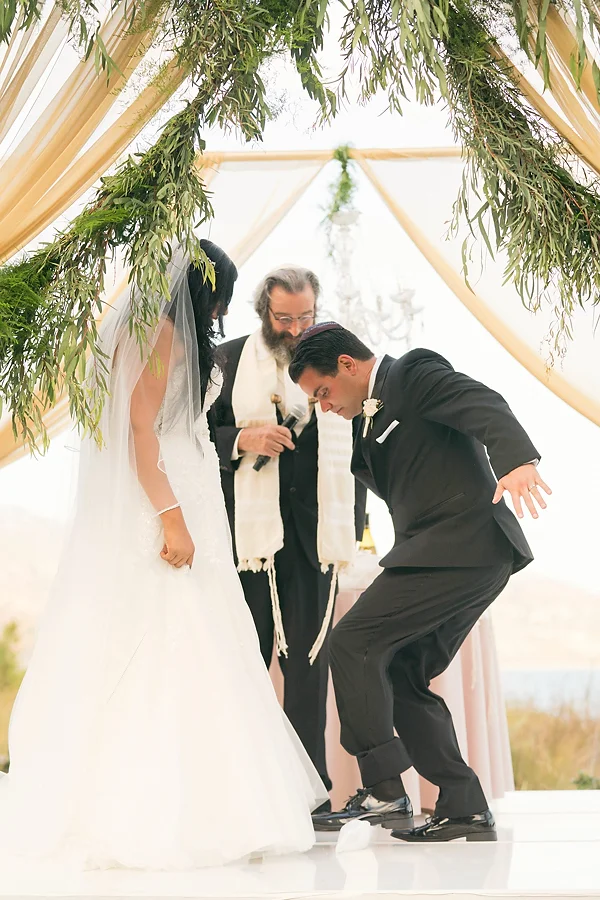
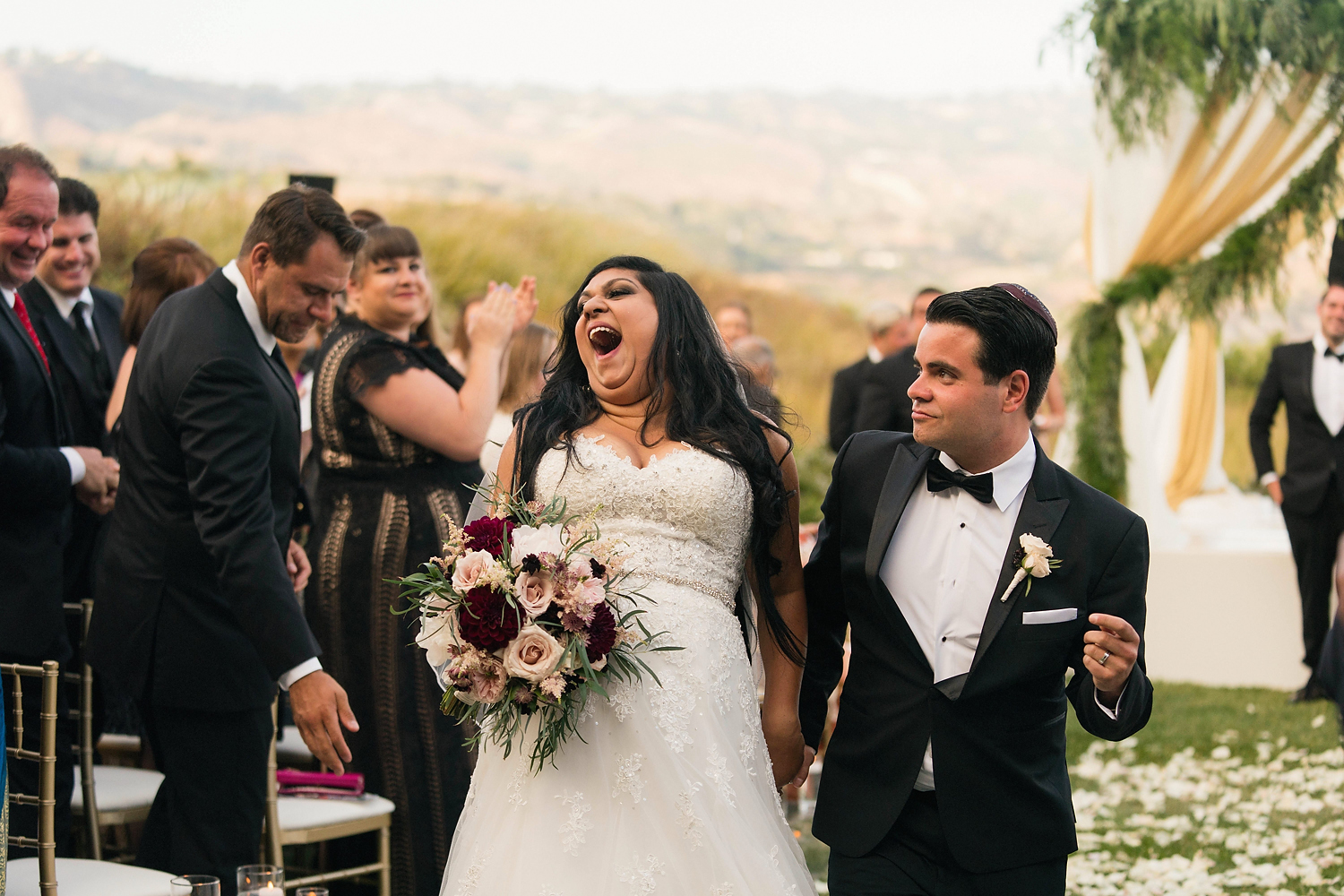
BUT, there are selected times in a wedding that having 20 fps is a real godsend because it gives me extra confidence that I will deliver the image from a very fast and fleeting part of the day. Examples of that would be the first kiss, the processional, the recessional, bouquet and garter toss, breaking the wine glass (at a Jewish service) and the first dance.
3. Big Buffer
In conjunction to the fast 20 fps frame rate, having a large buffer that allows you to shoot 241 RAW frames or 363 jpegs is a big advantage. This was one of the weak links of smaller mirrorless cameras — they tended to bog down when there were a lot of images shot. This improvement is imperative with the faster speed of the camera.
4. Dual SD slots
Had this feature come out with the a7RII, I bet even more wedding shooters would’ve adopted the system back in 2015. And while I’ve never had an SD card go down since switching to Sony, unfortunately I know that others that have. This will go a long way to allowing wedding shooters to breathe easier by having a back up created immediately upon shooting. And, one of the slots is an extra fast SD card slot which works with the newer, faster cards announced with the camera. A welcome addition for a pro grade body.
5. Better Color
This camera has great color right out of the camera and I love the look of the jpegs. They seem more vibrant, the skin tones seem more pleasing and it appears that Sony tweaks their color science with every launch. What this means for me is that the jpegs created while shooting RAW+jpeg are very good and the RAW files are superb as well. There is a new setting on this camera called Priority Set in Auto White Balance which adjusts the AWB by either biasing off the Ambient light or from White light. This seems to give a more vivid and accurate representation of the scene in Auto White Balance.
6. Improved Eye AF and Improved 5 axis IBIS
One of the most amazing features of the Sony cameras is Eye AF especially for portrait shooters. This camera improves that feature because of the significant upgrade in processor speed. Even when shooting fast action, the Eye AF works and works well. Face detection seems to be improved as well. 5 axis IBIS is even steadier and it seems almost like the camera is on a gimbal when shooting. Making waist level stills or waist level video shooting easier is the way that Sony tweaked the proximity sensor so now the EVF stays on once any part of it is pulled away from the camera body. This makes low profile street shooting or discreet video shooting even easier.
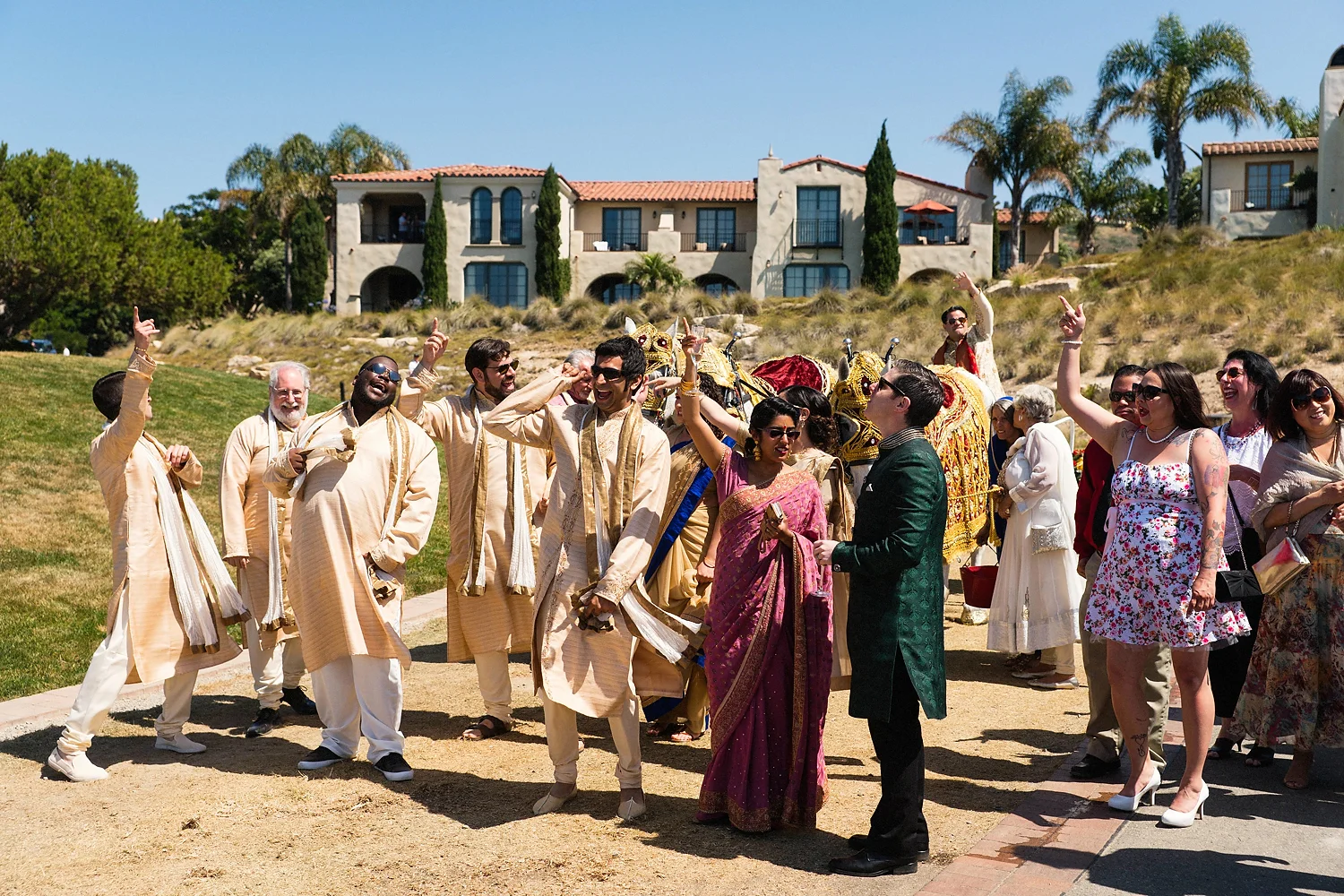
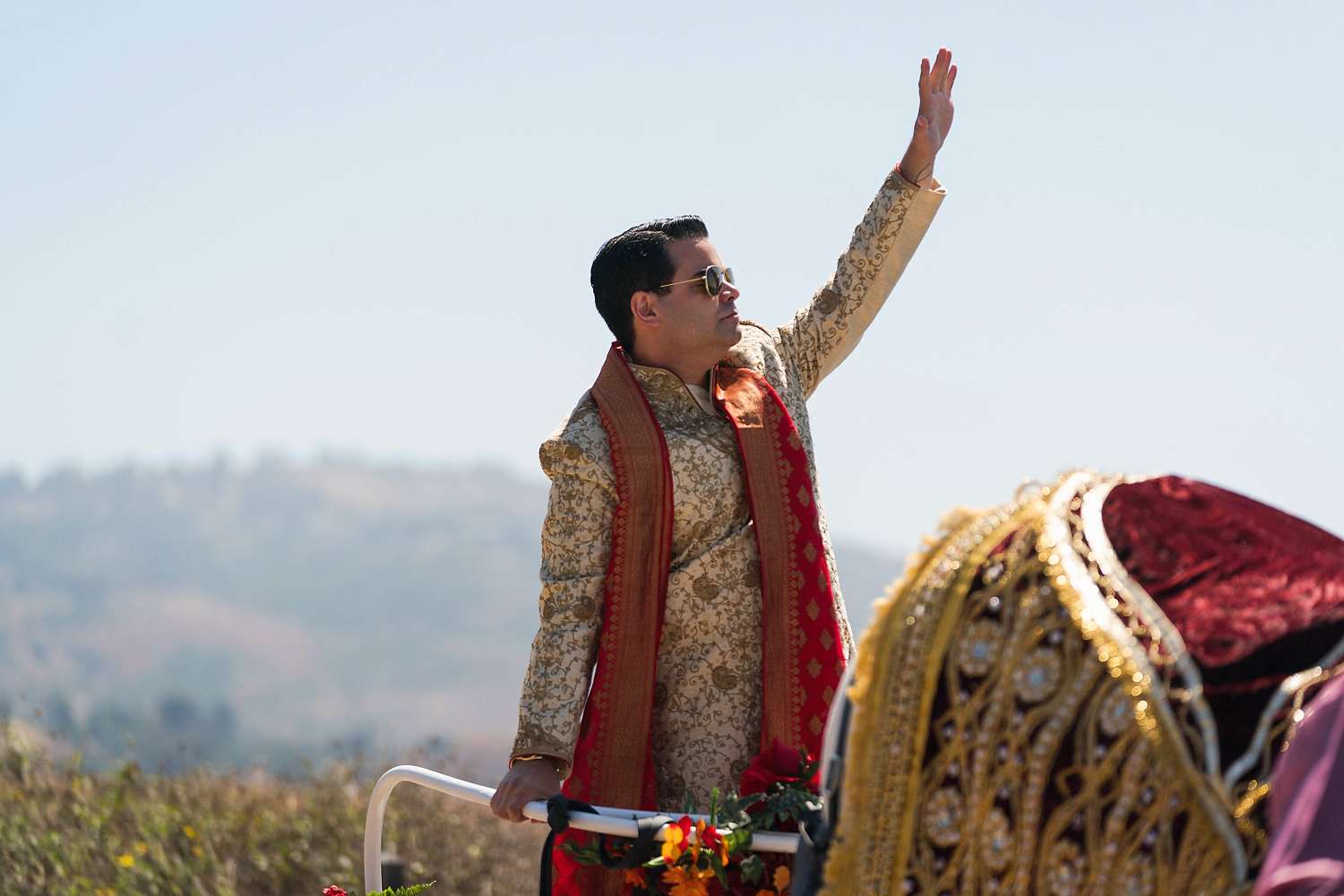
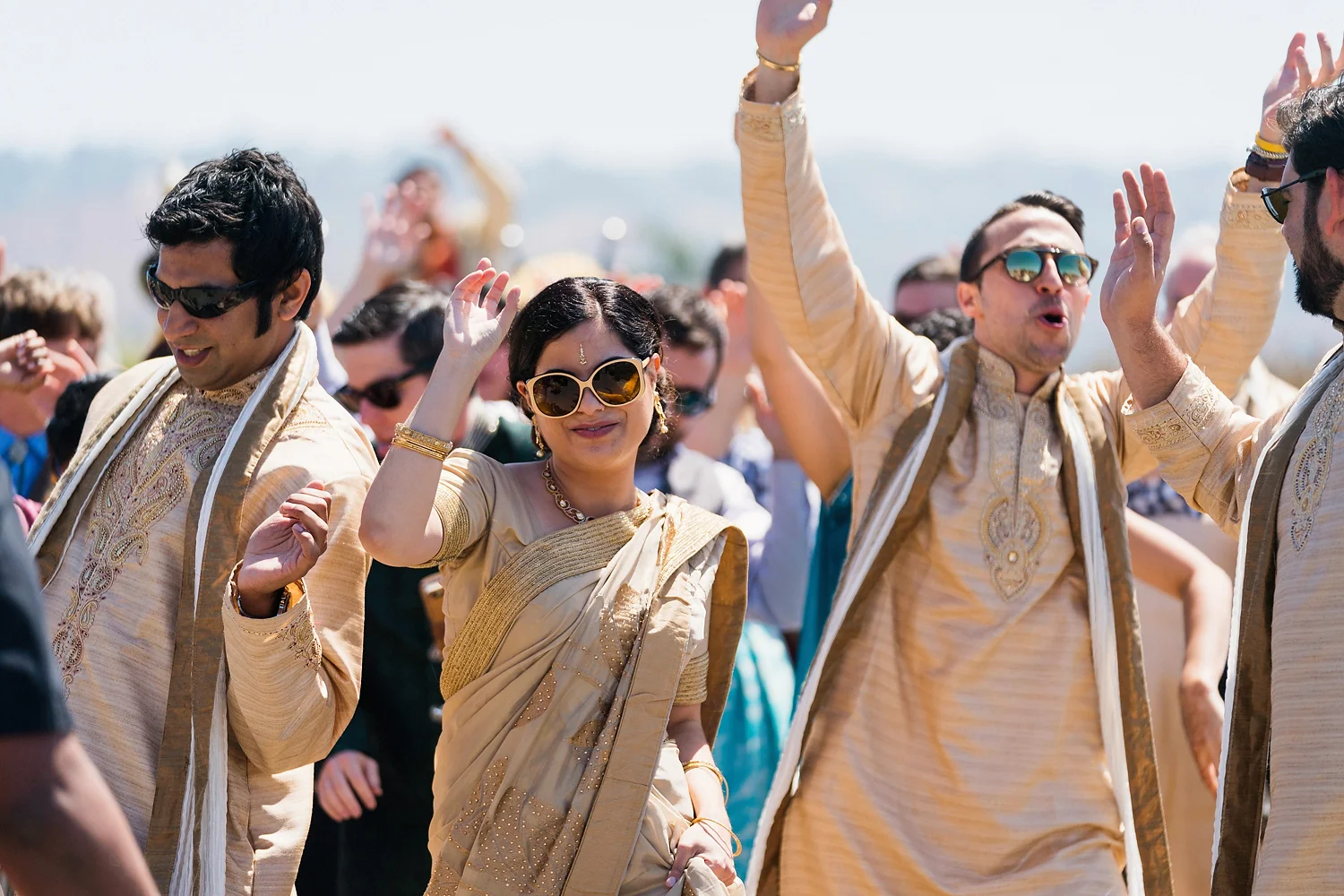
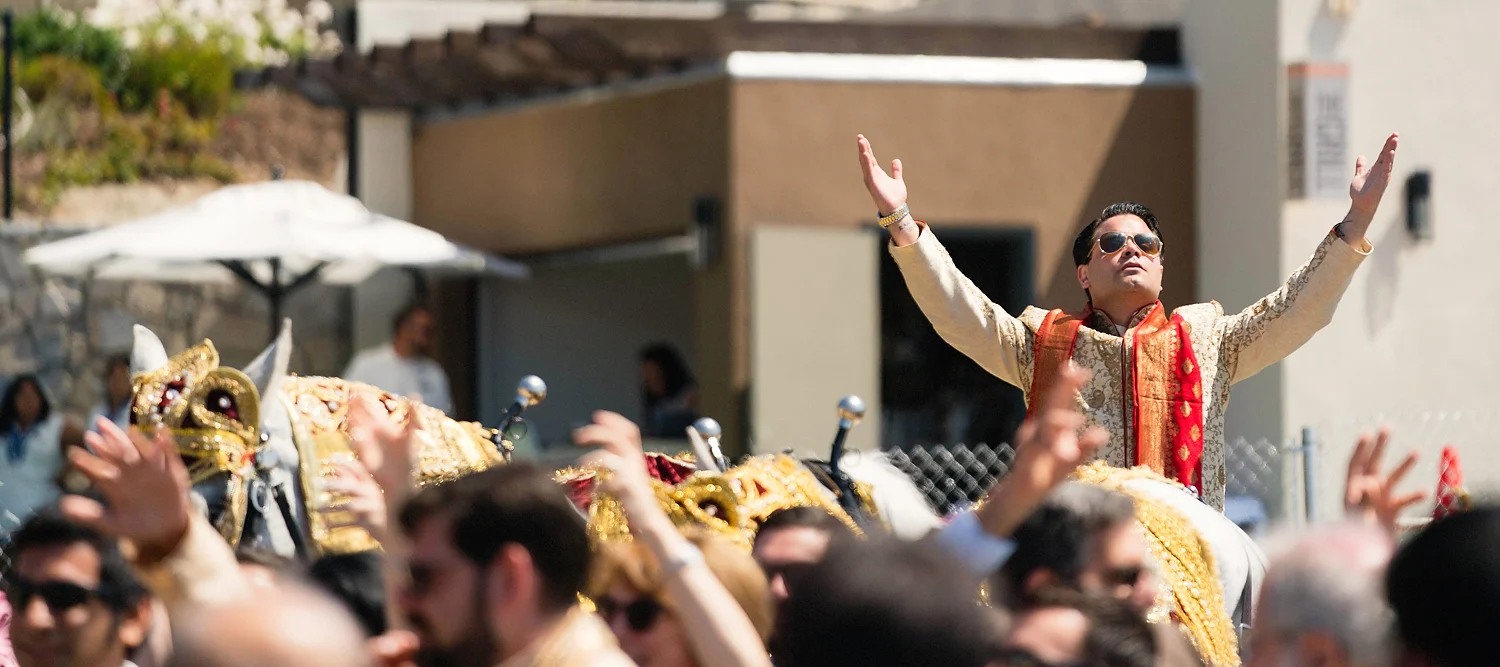
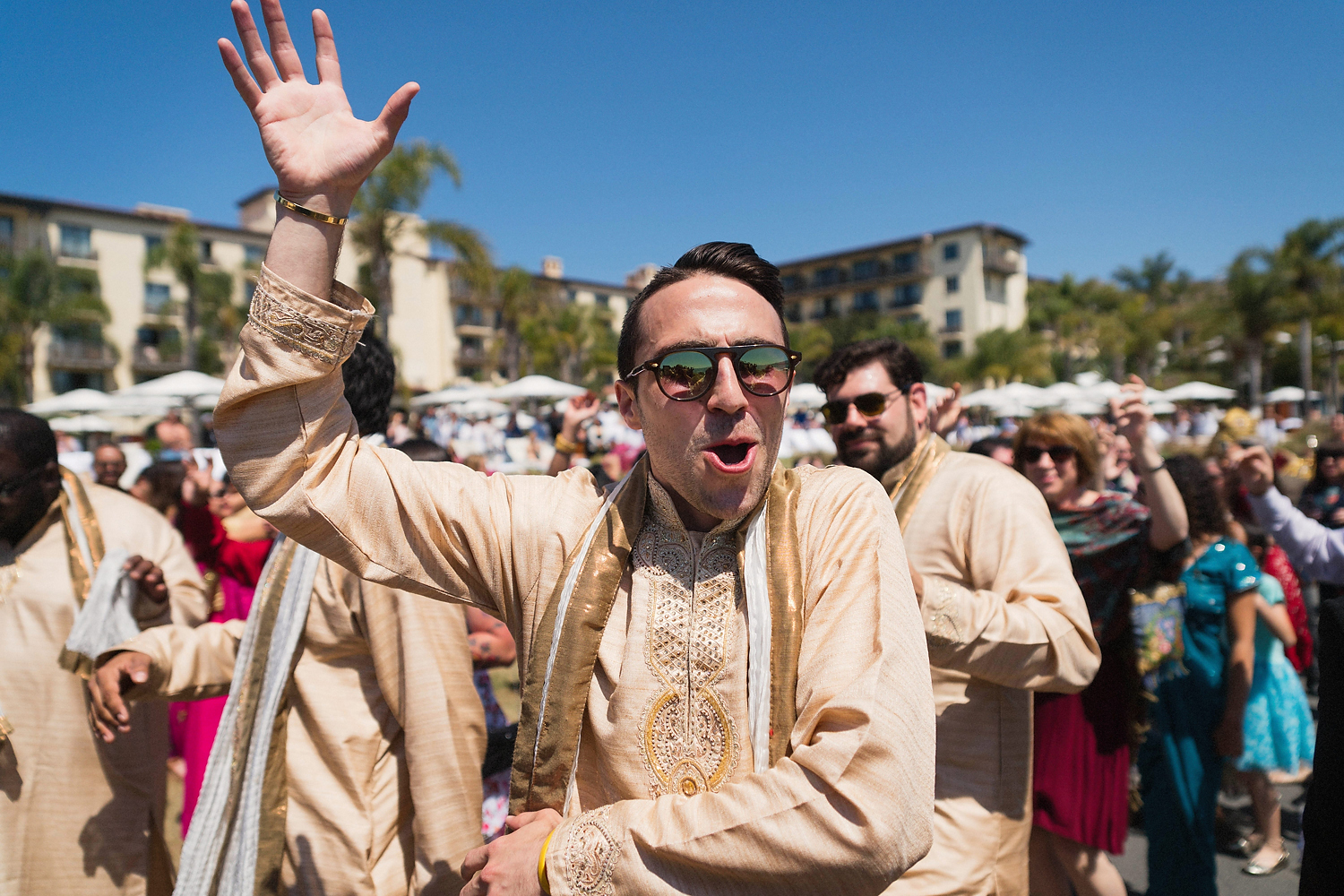
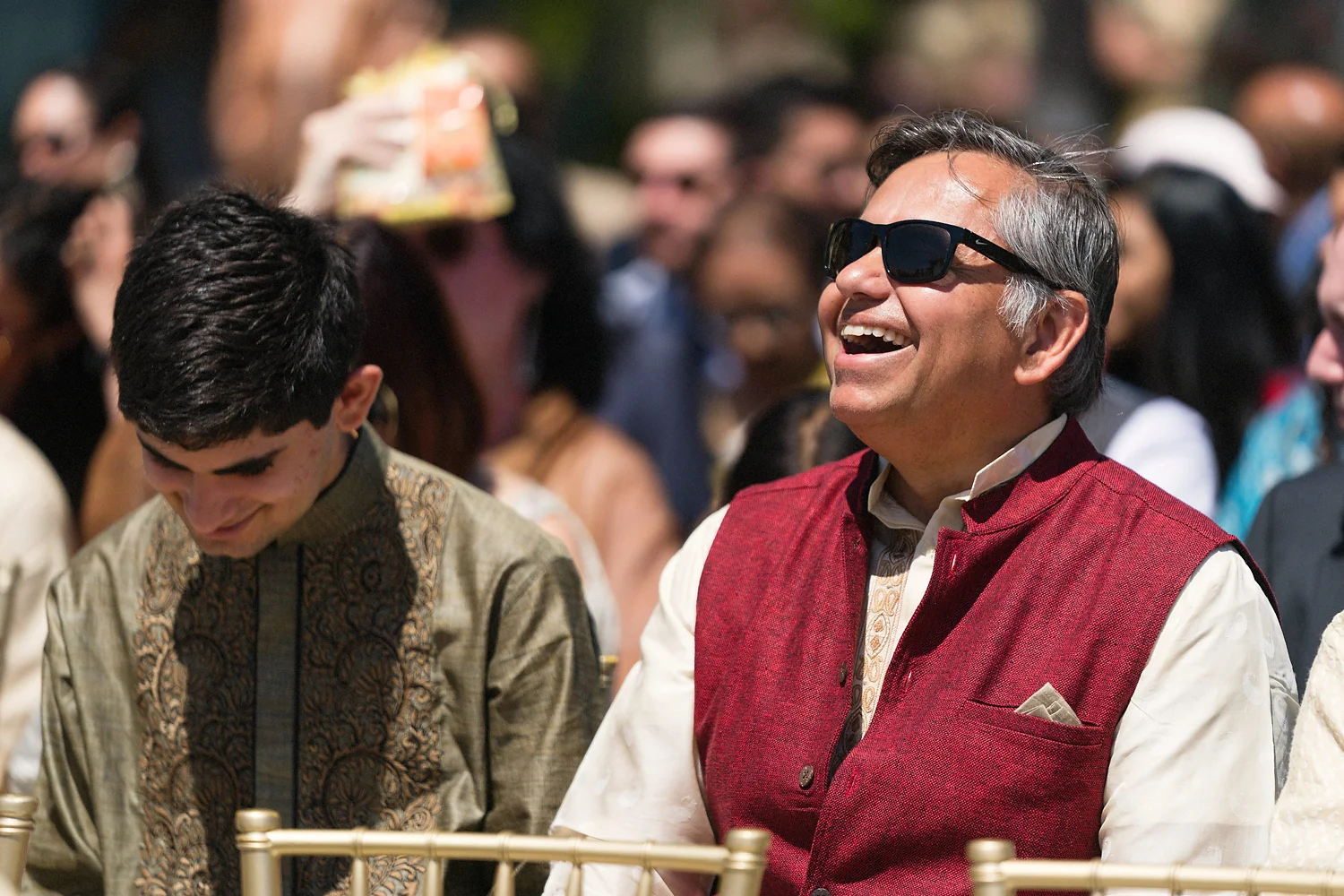
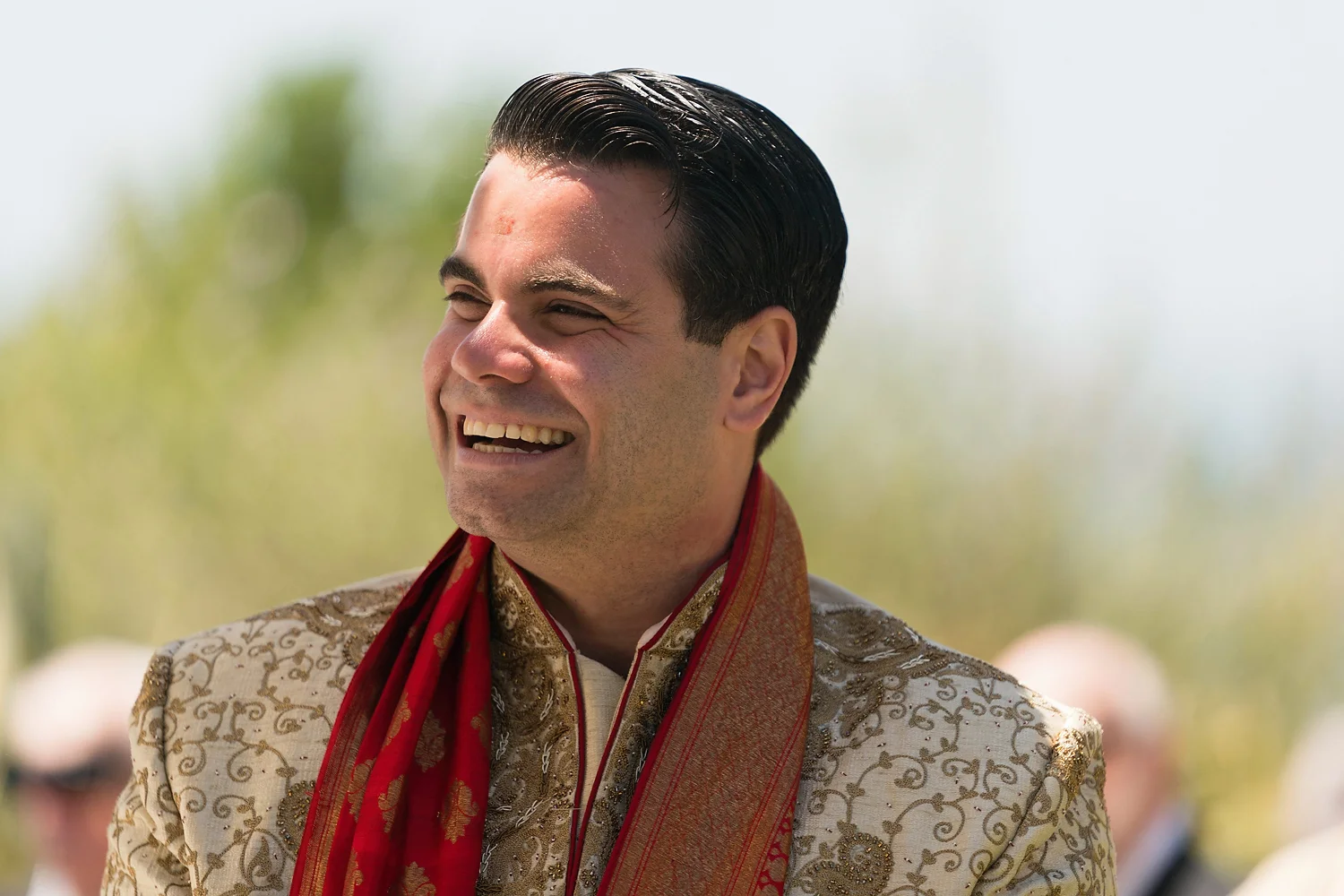
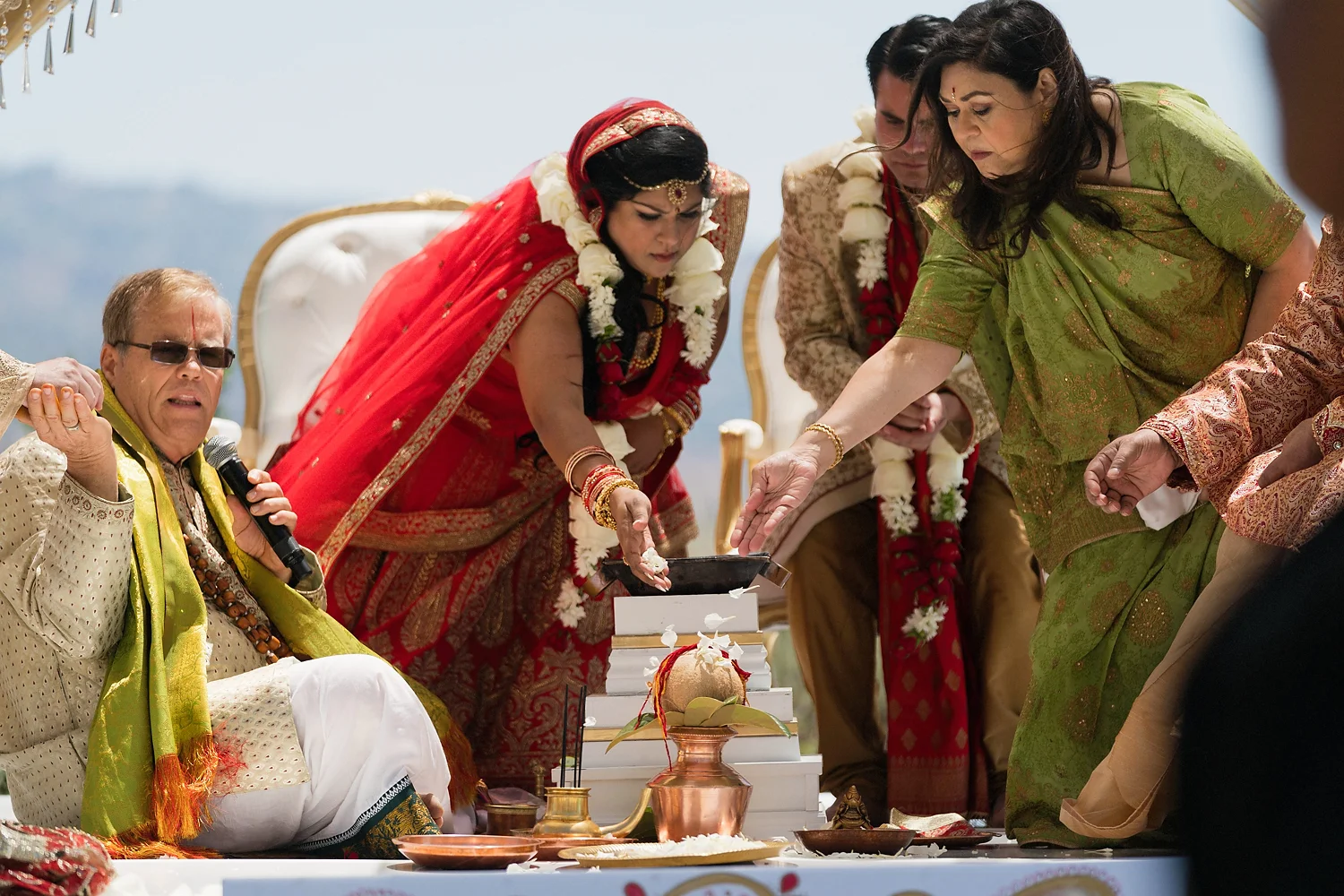
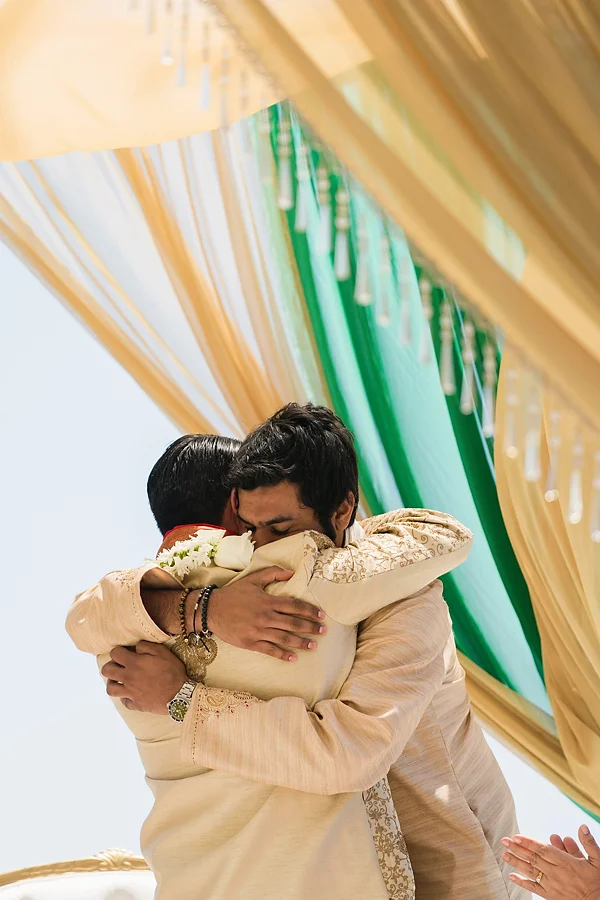
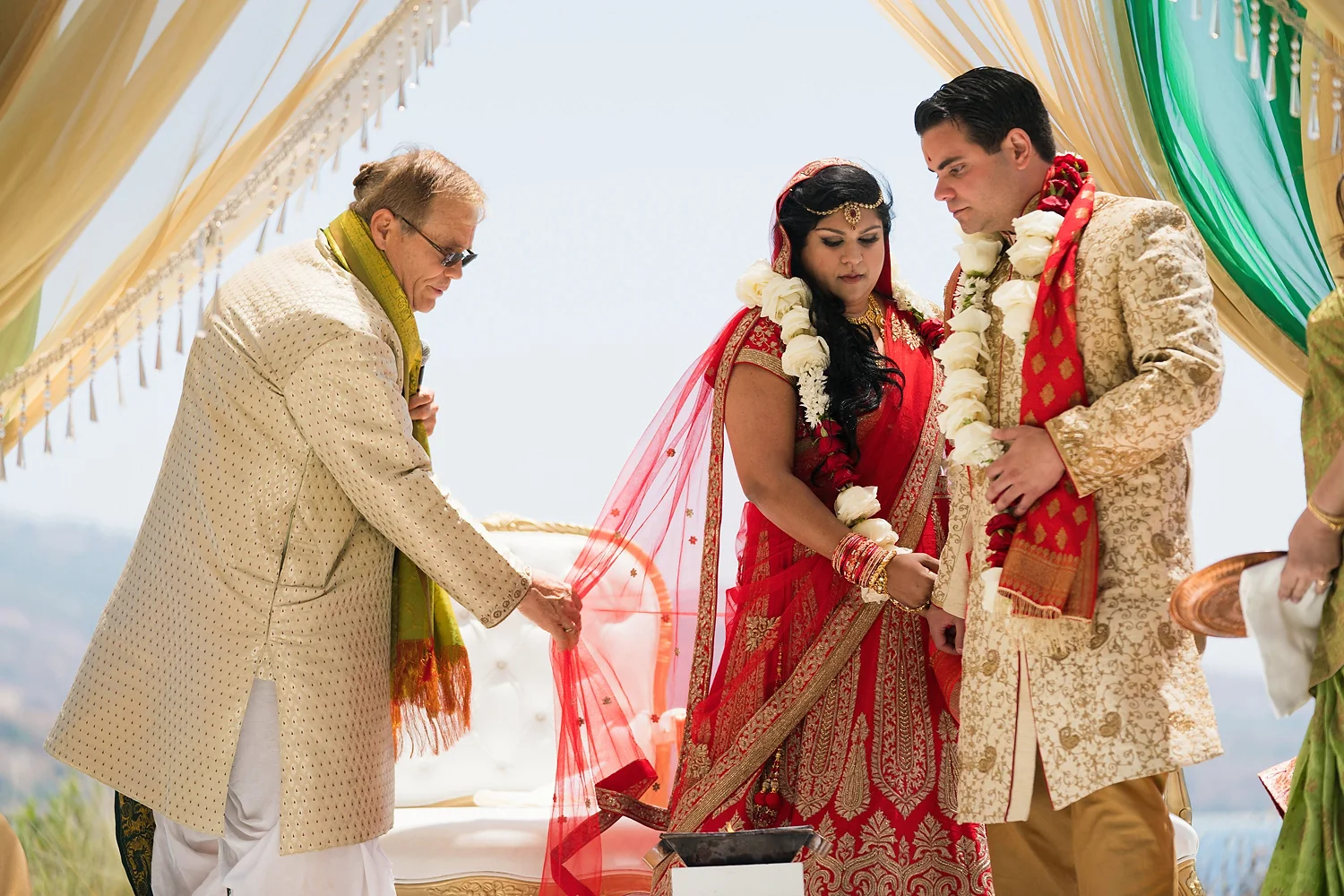
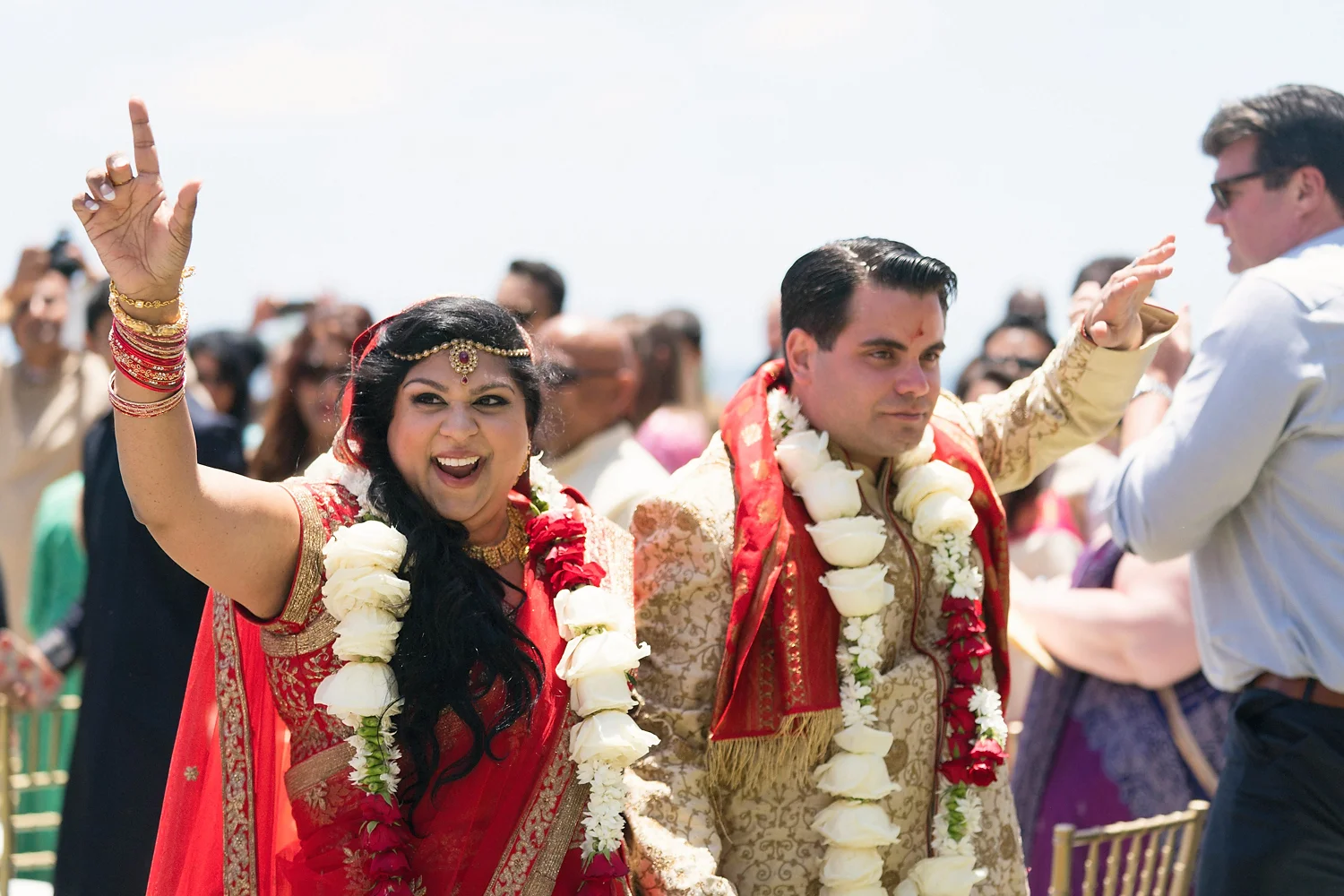
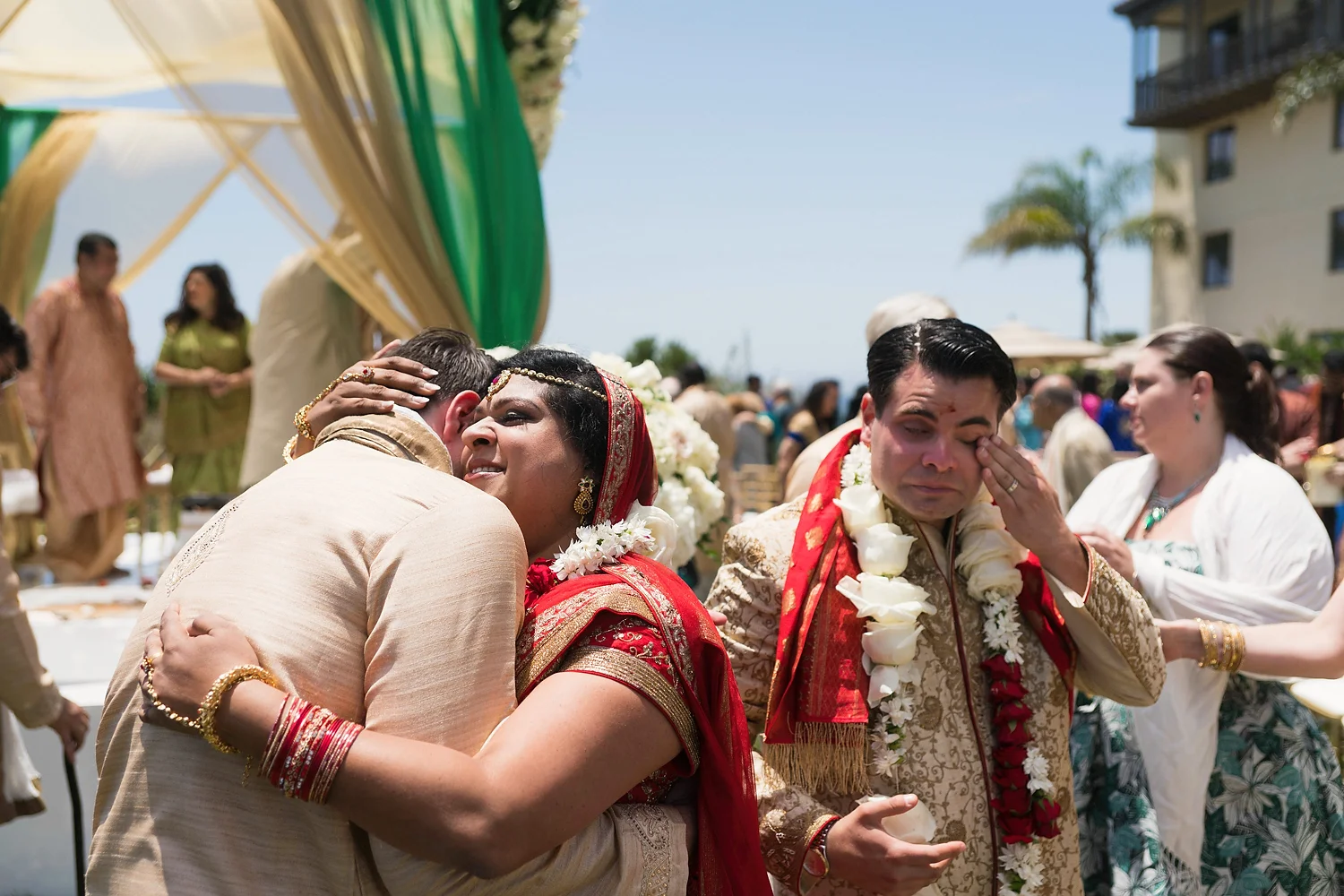
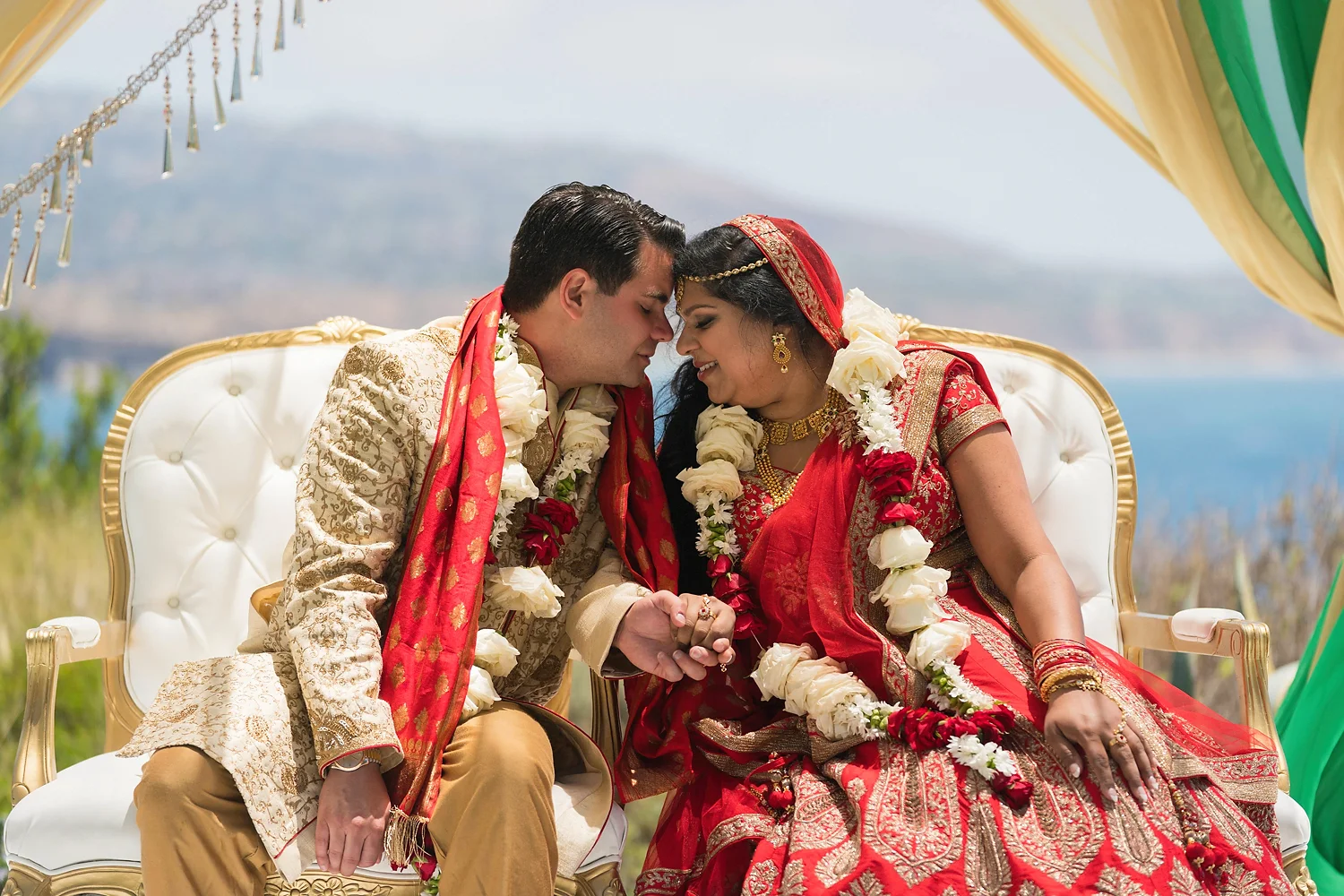
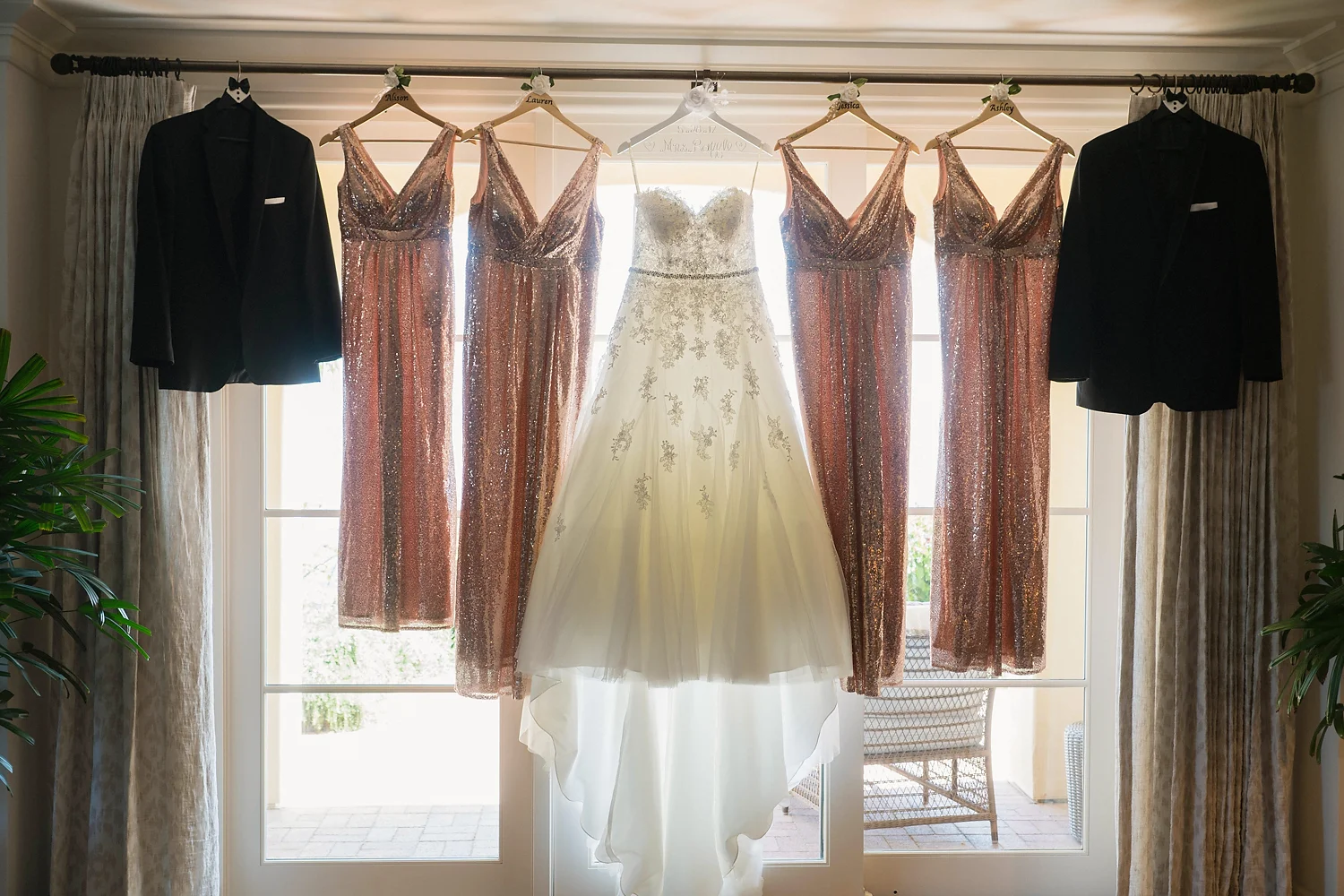
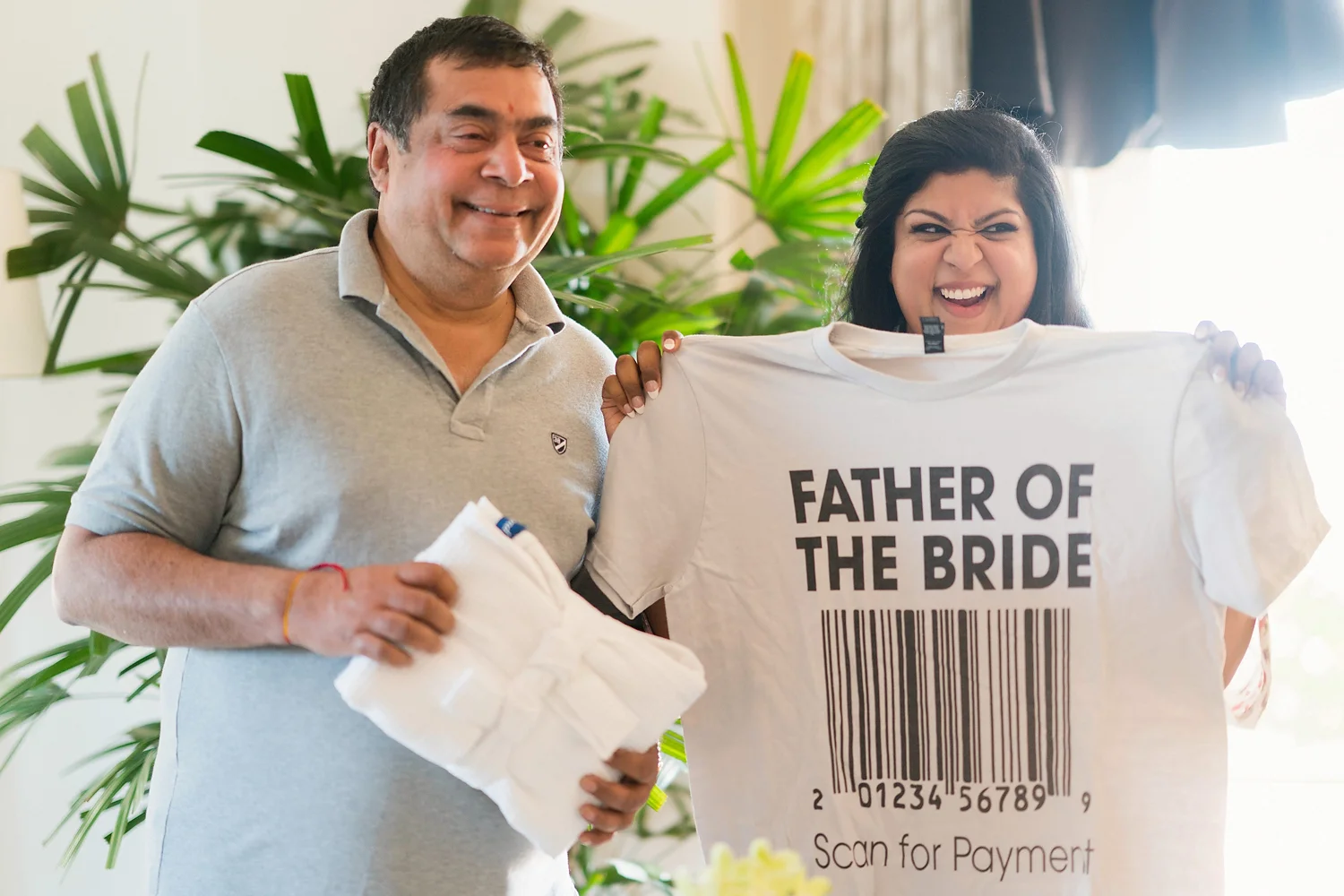
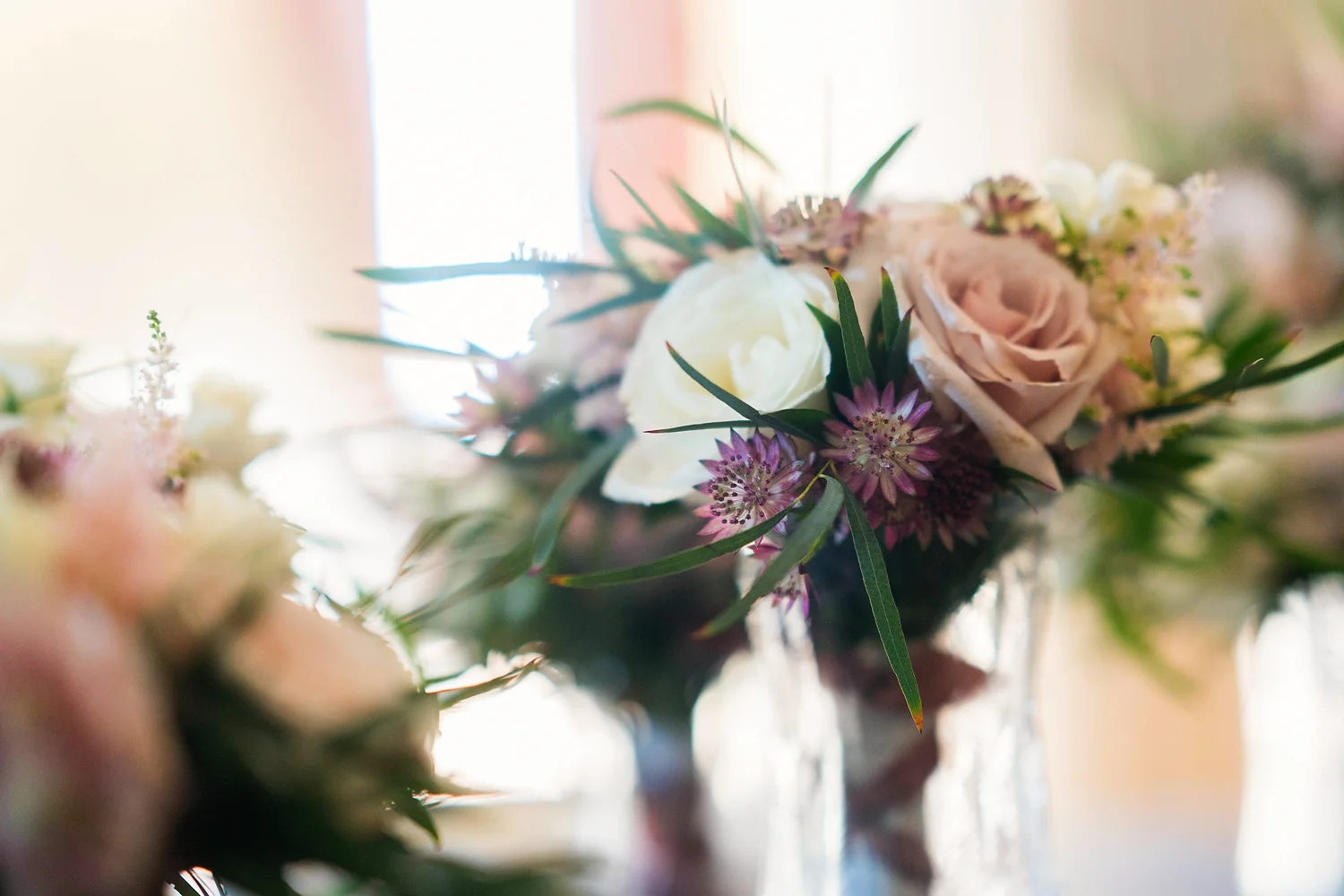
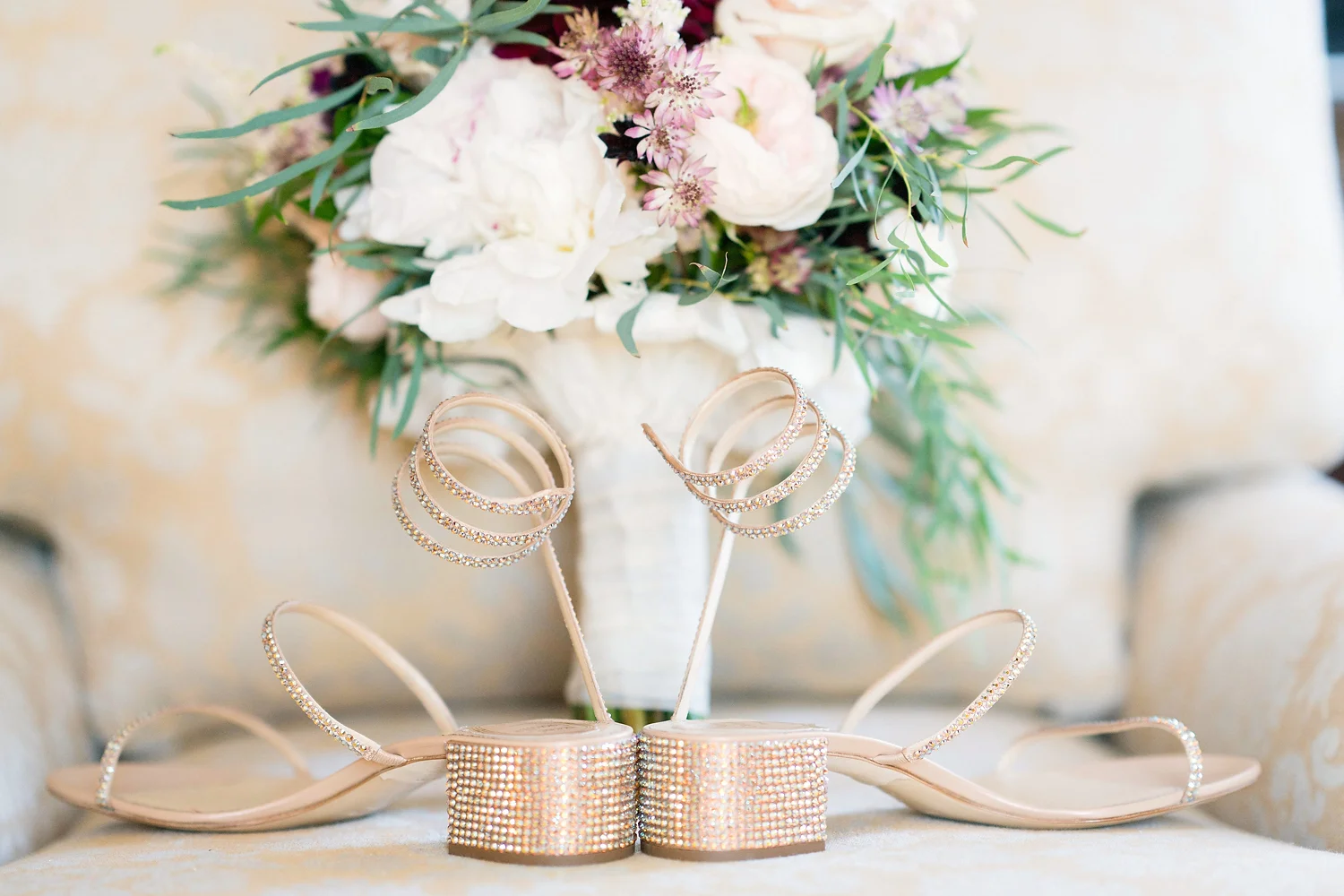
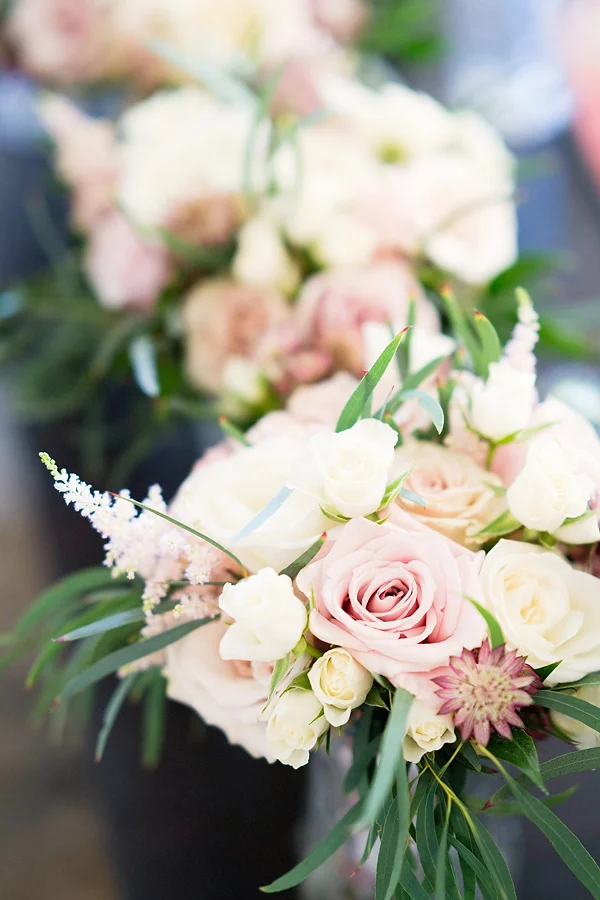
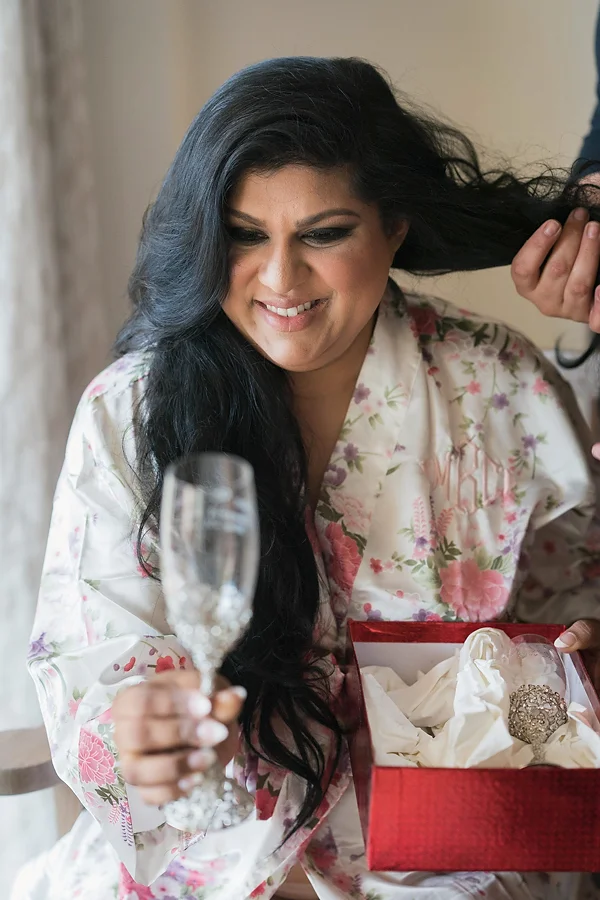
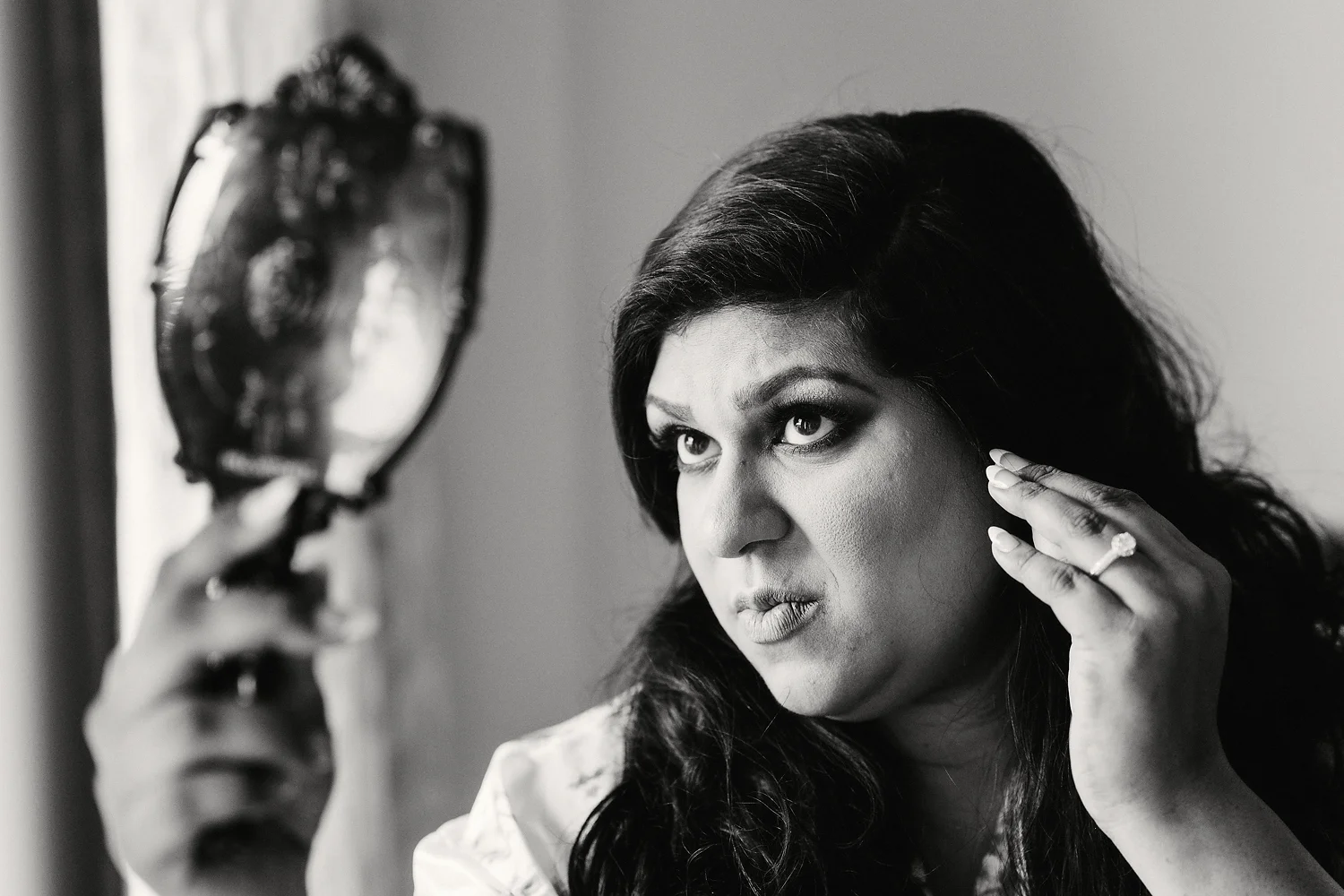
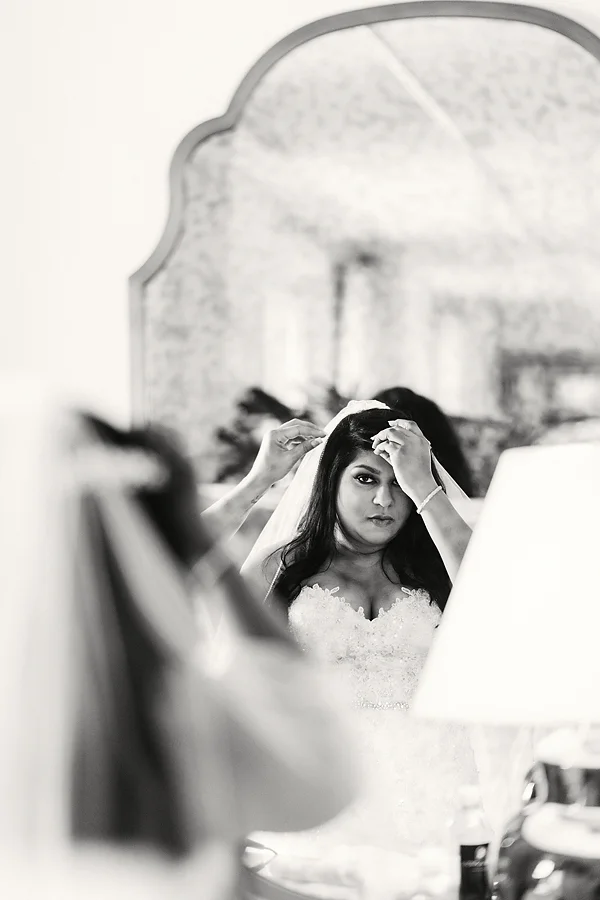
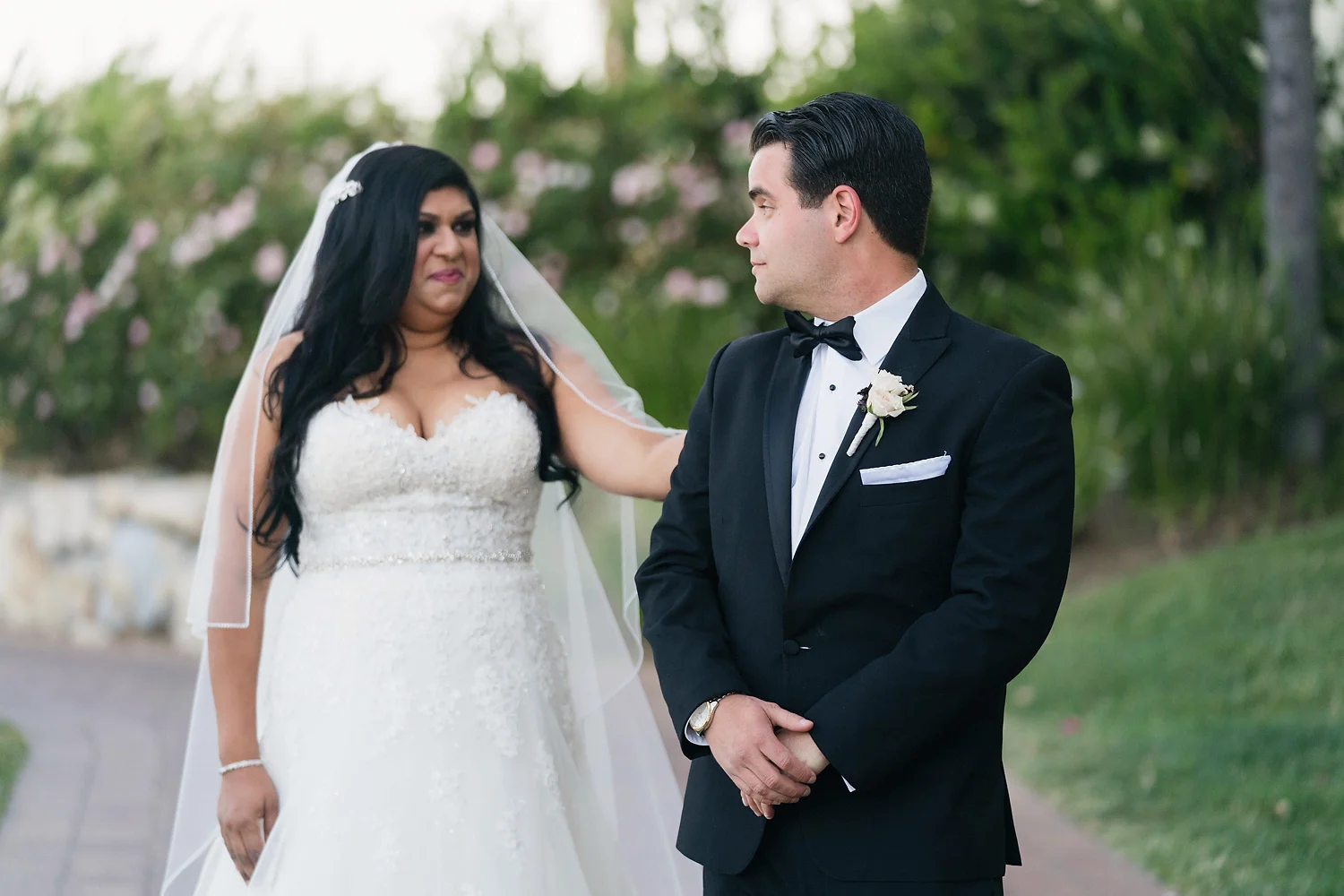
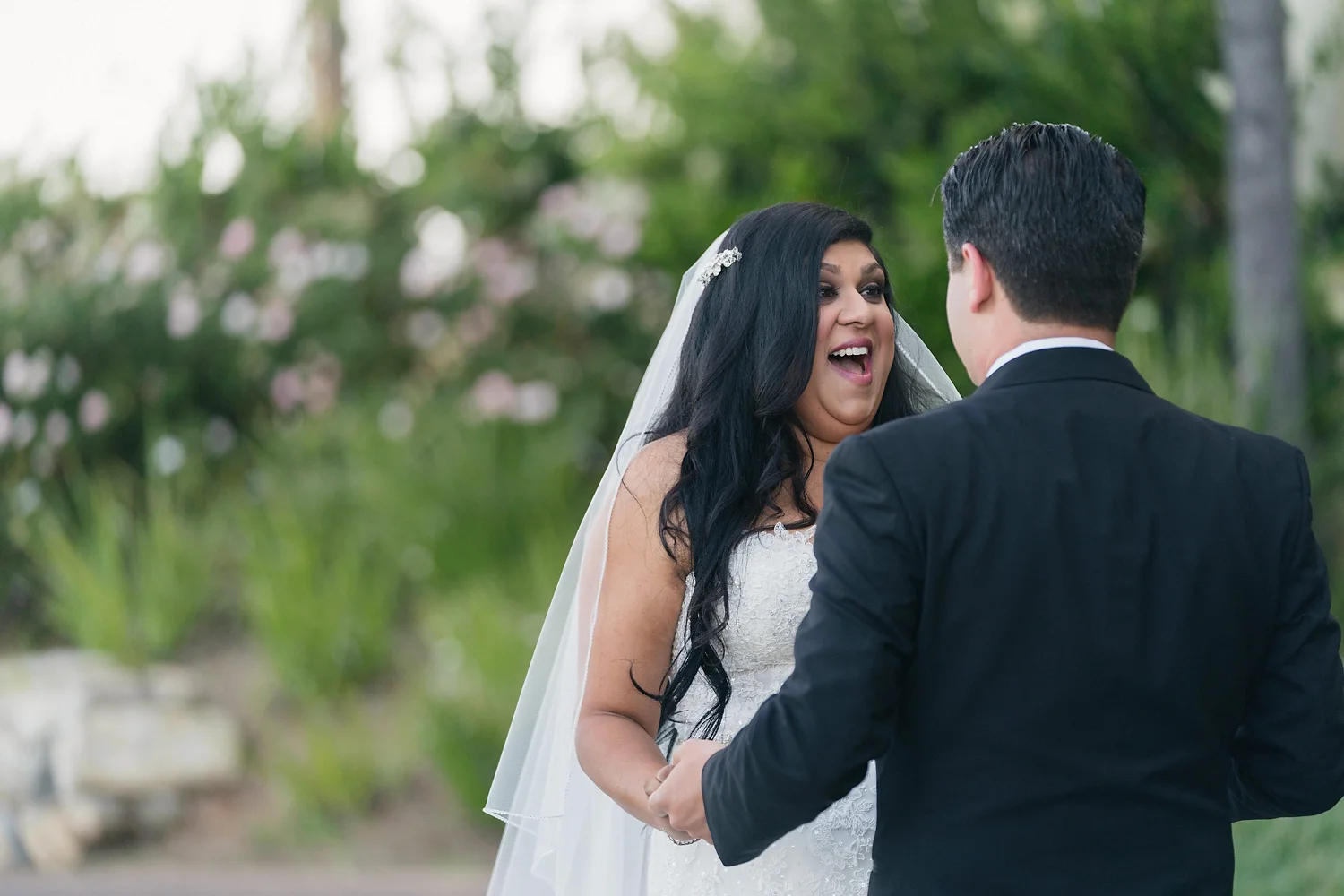
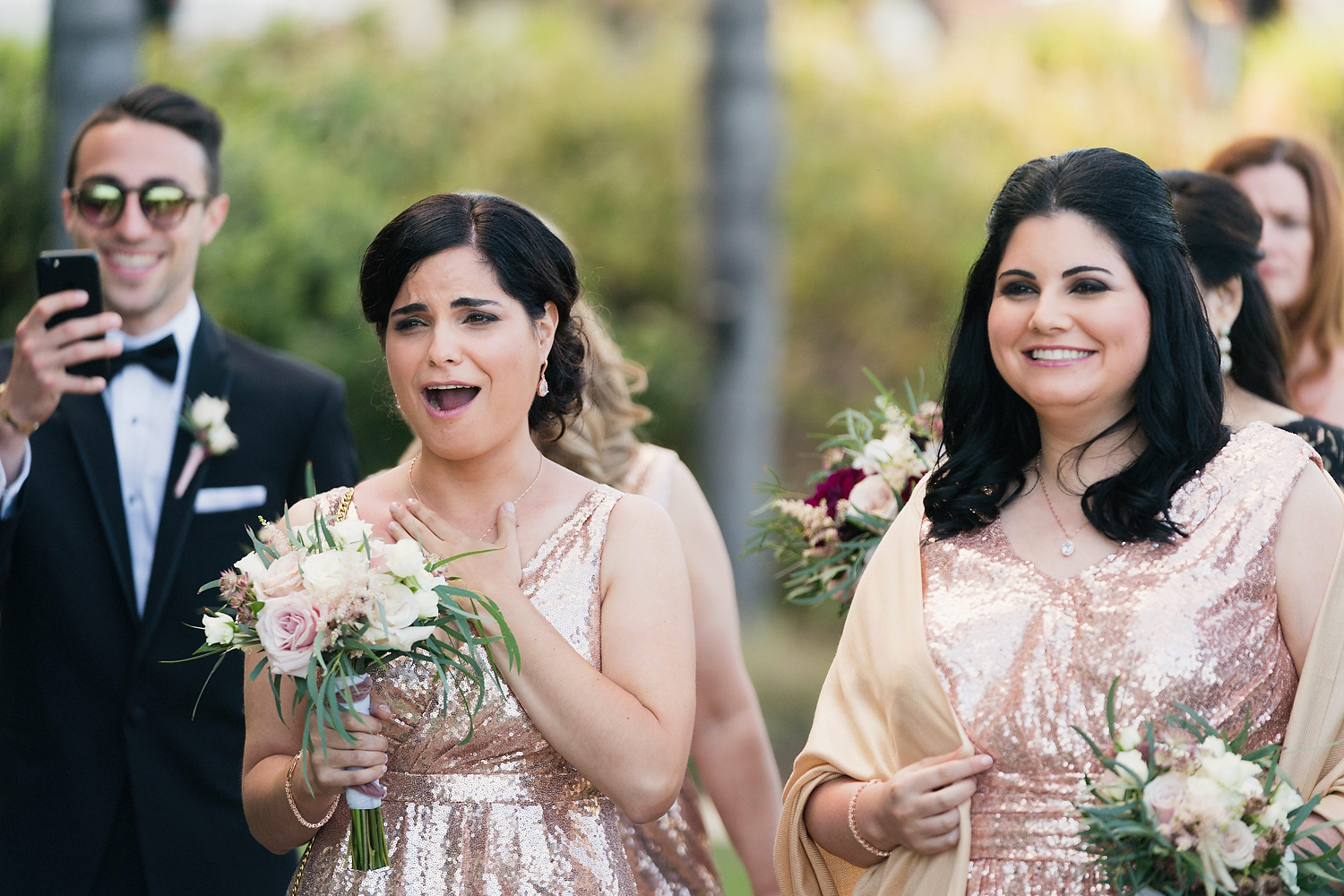
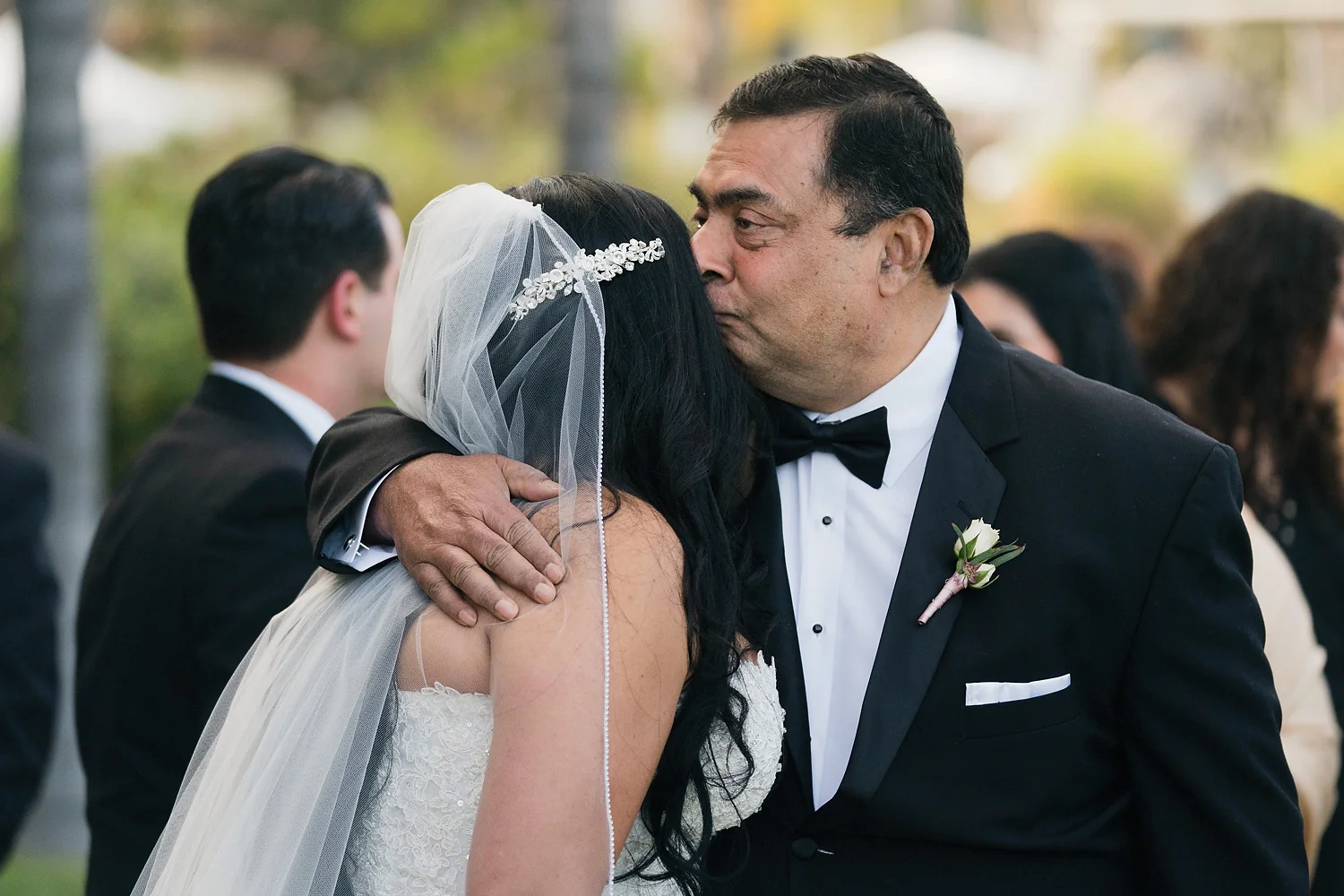
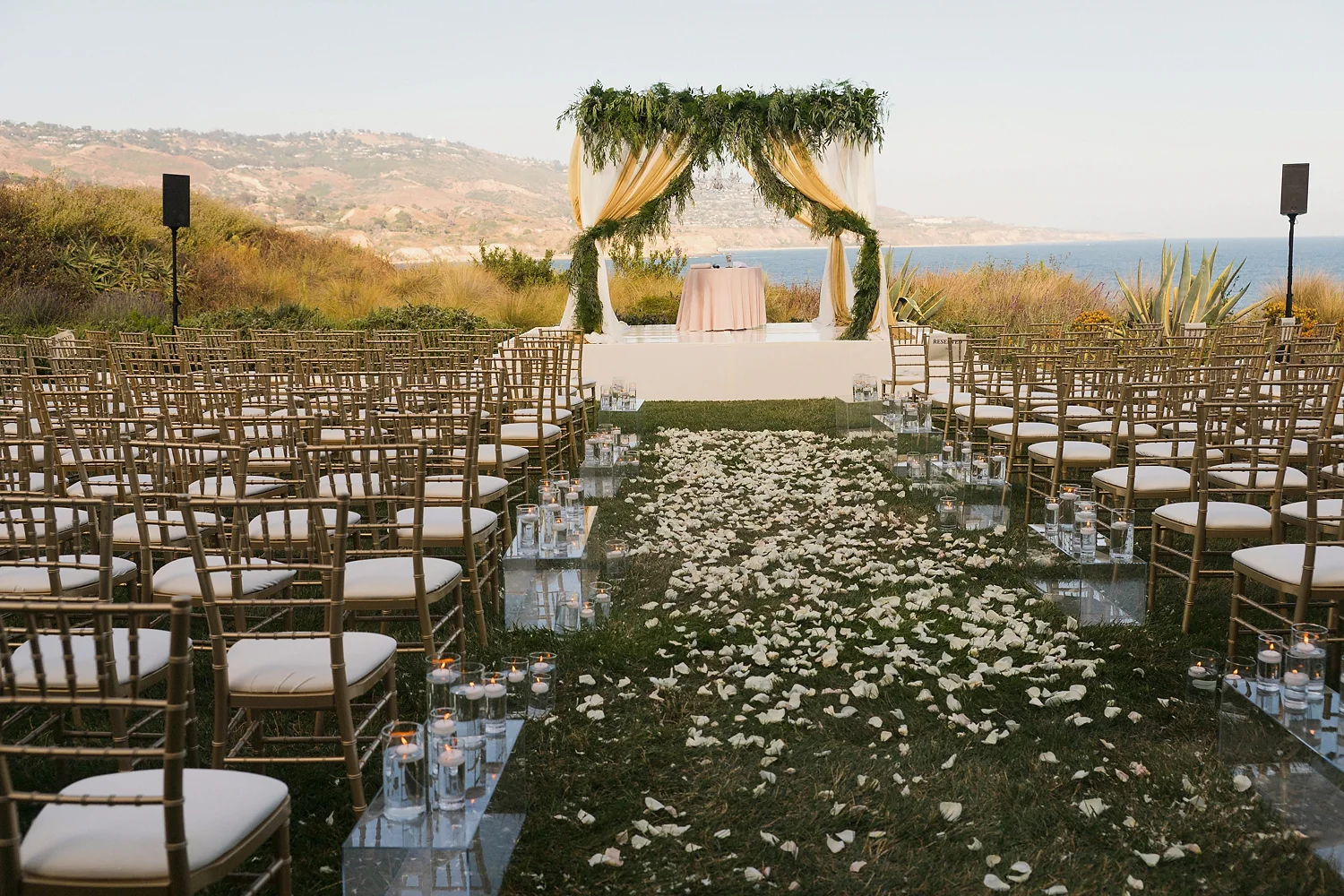
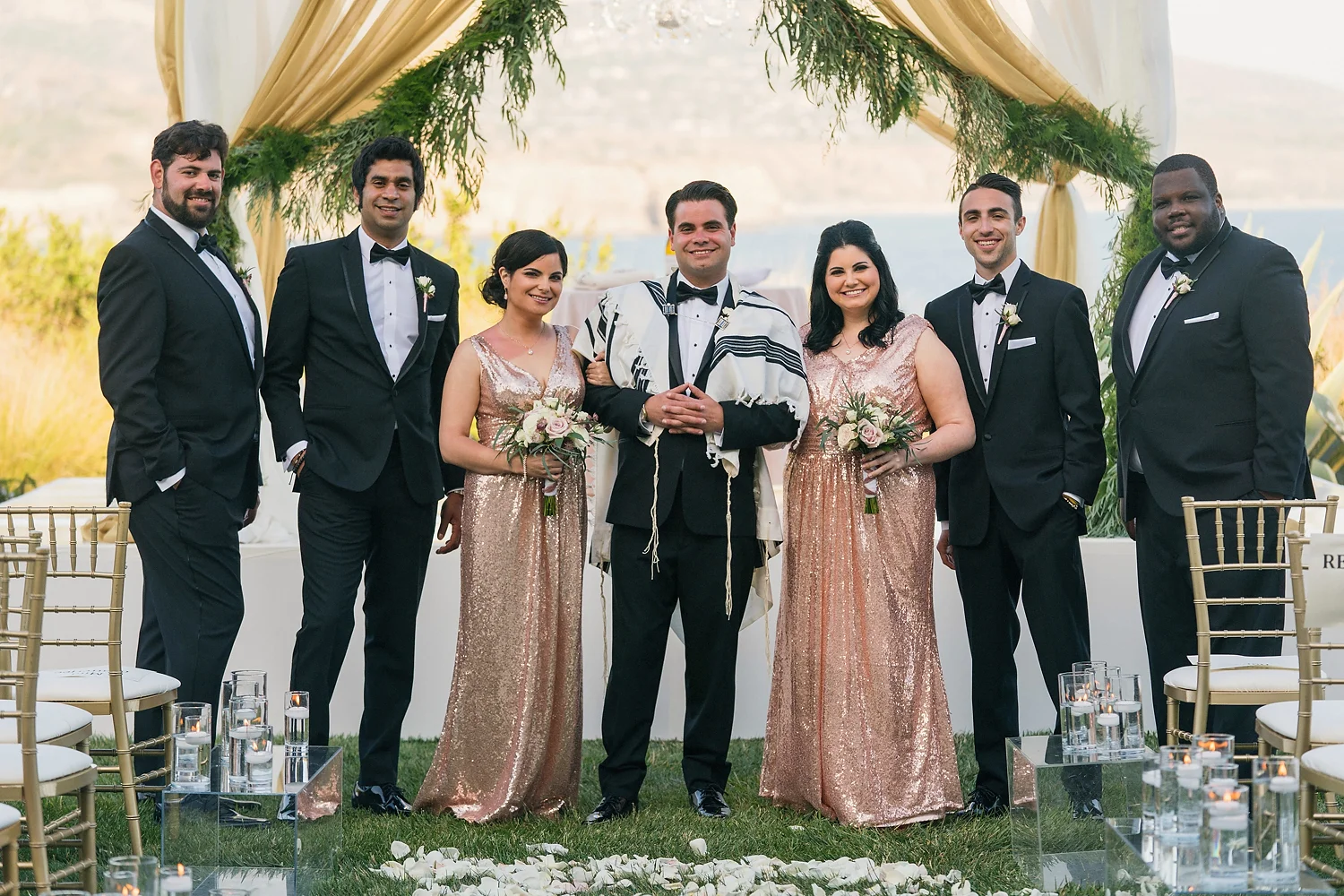
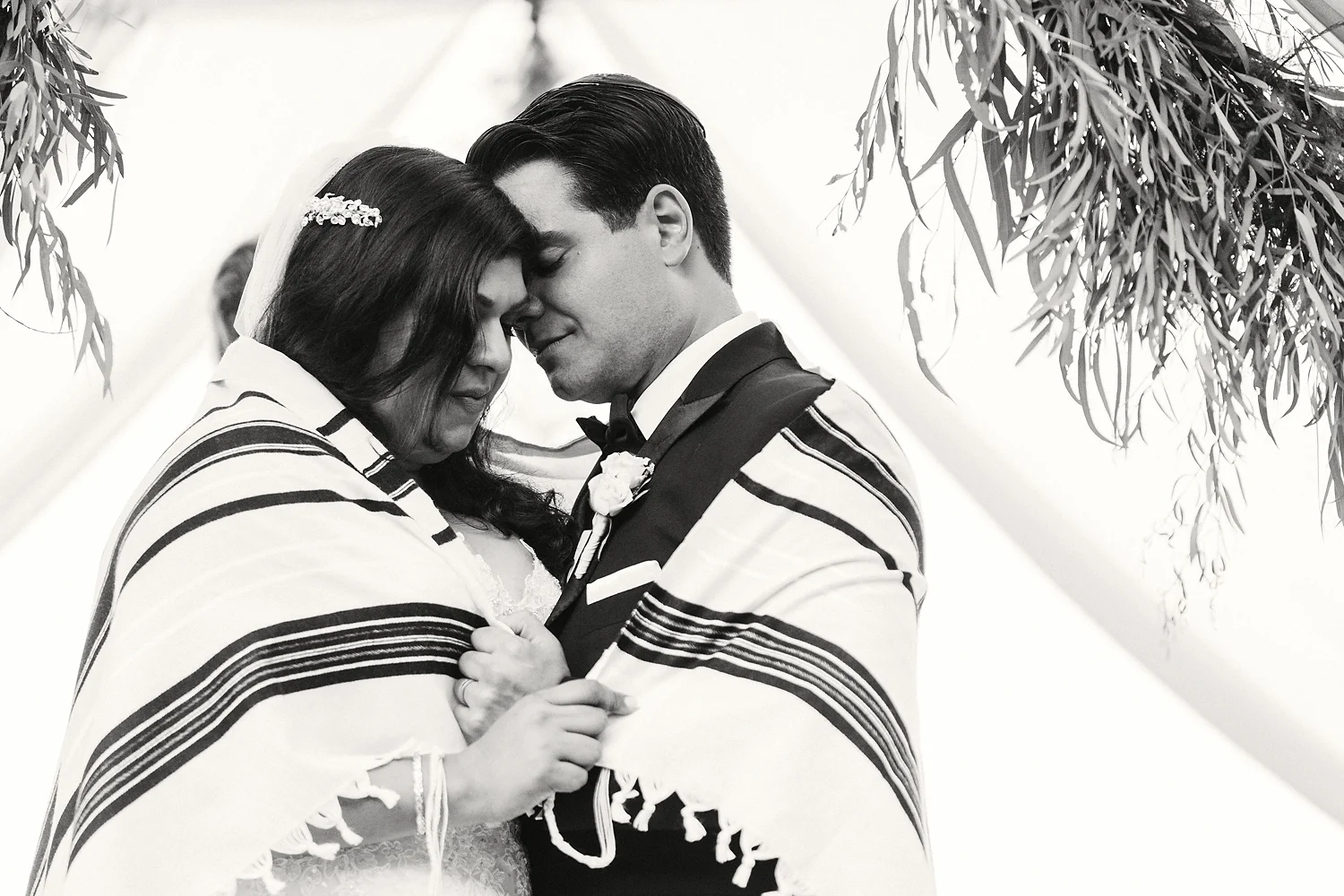
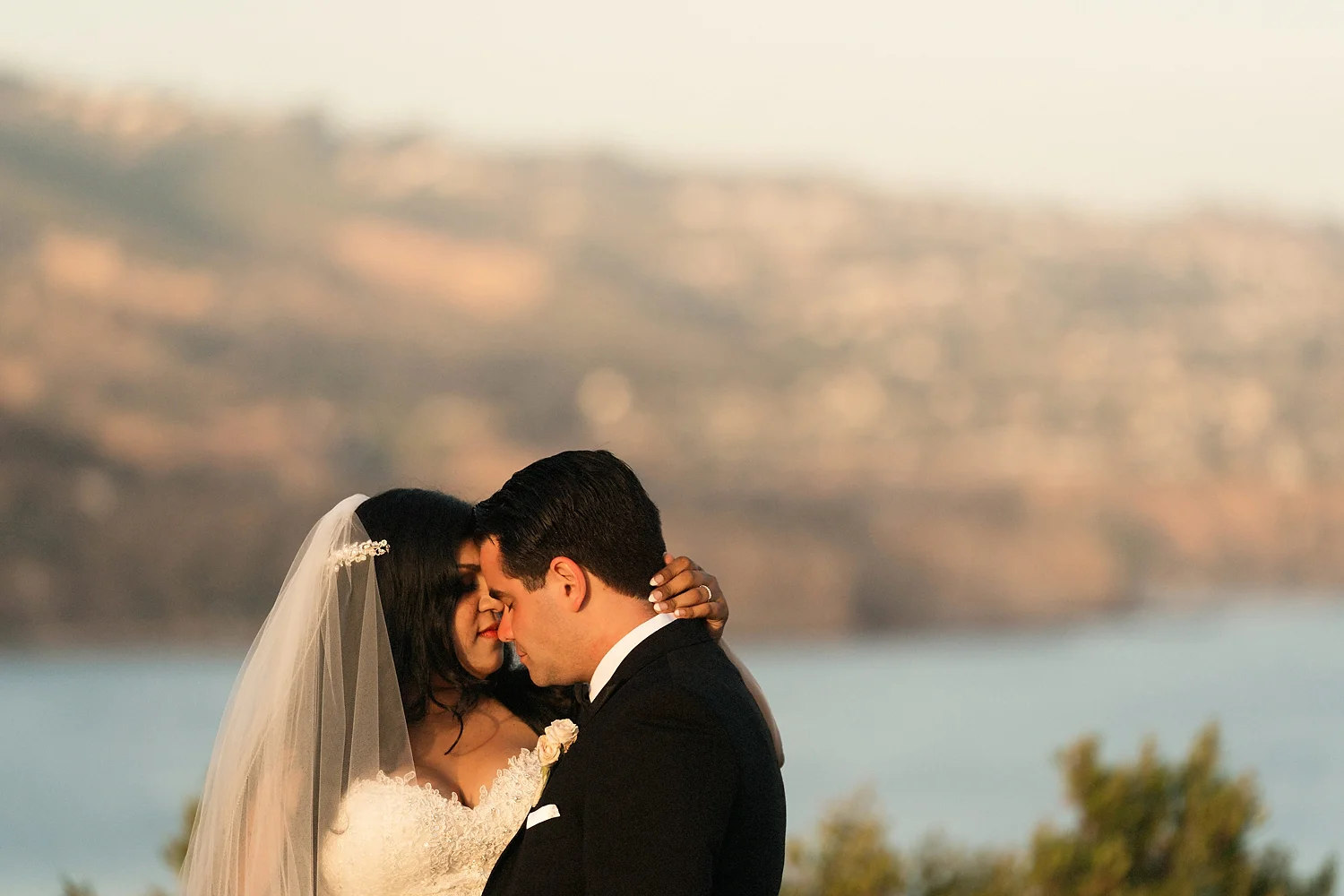
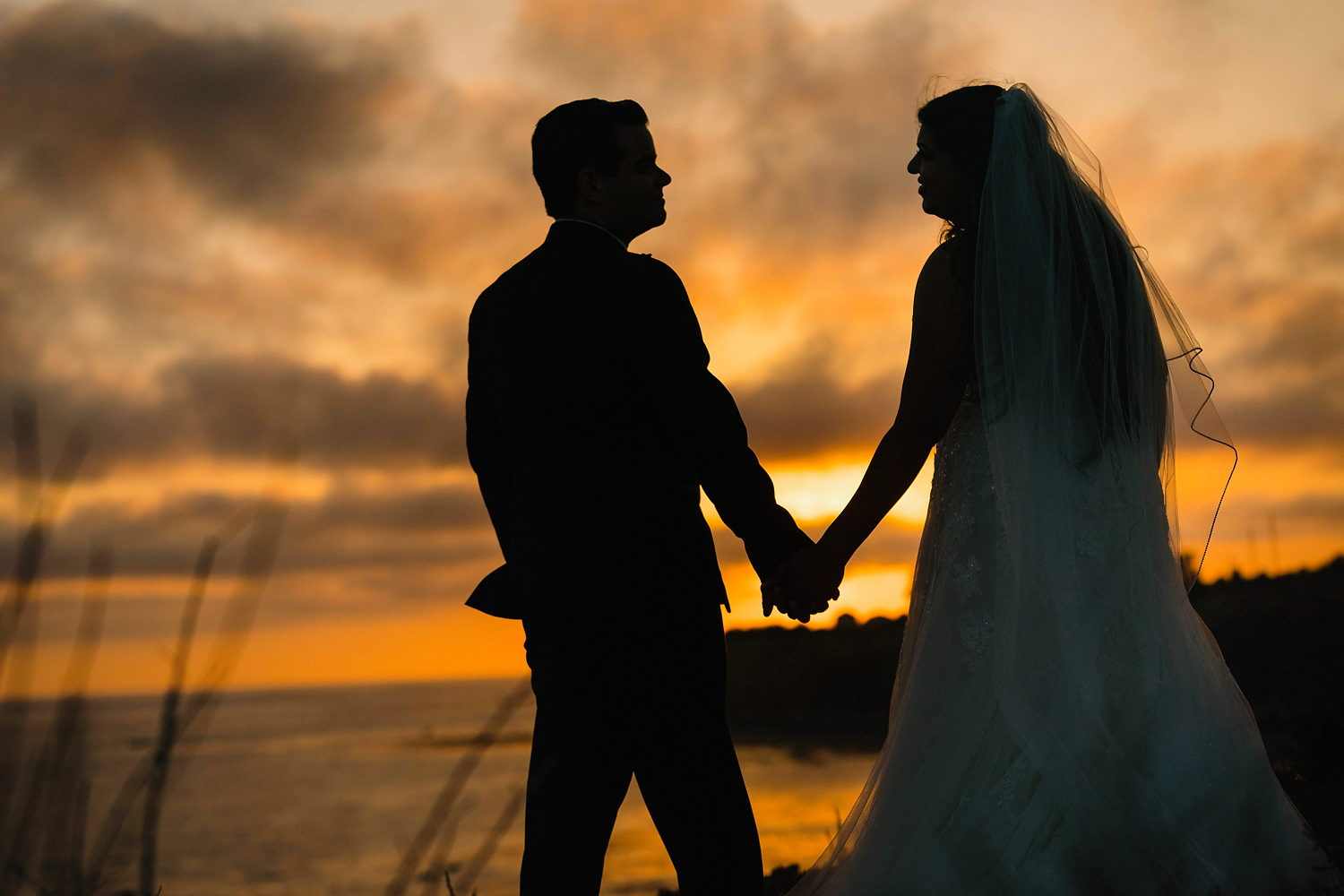
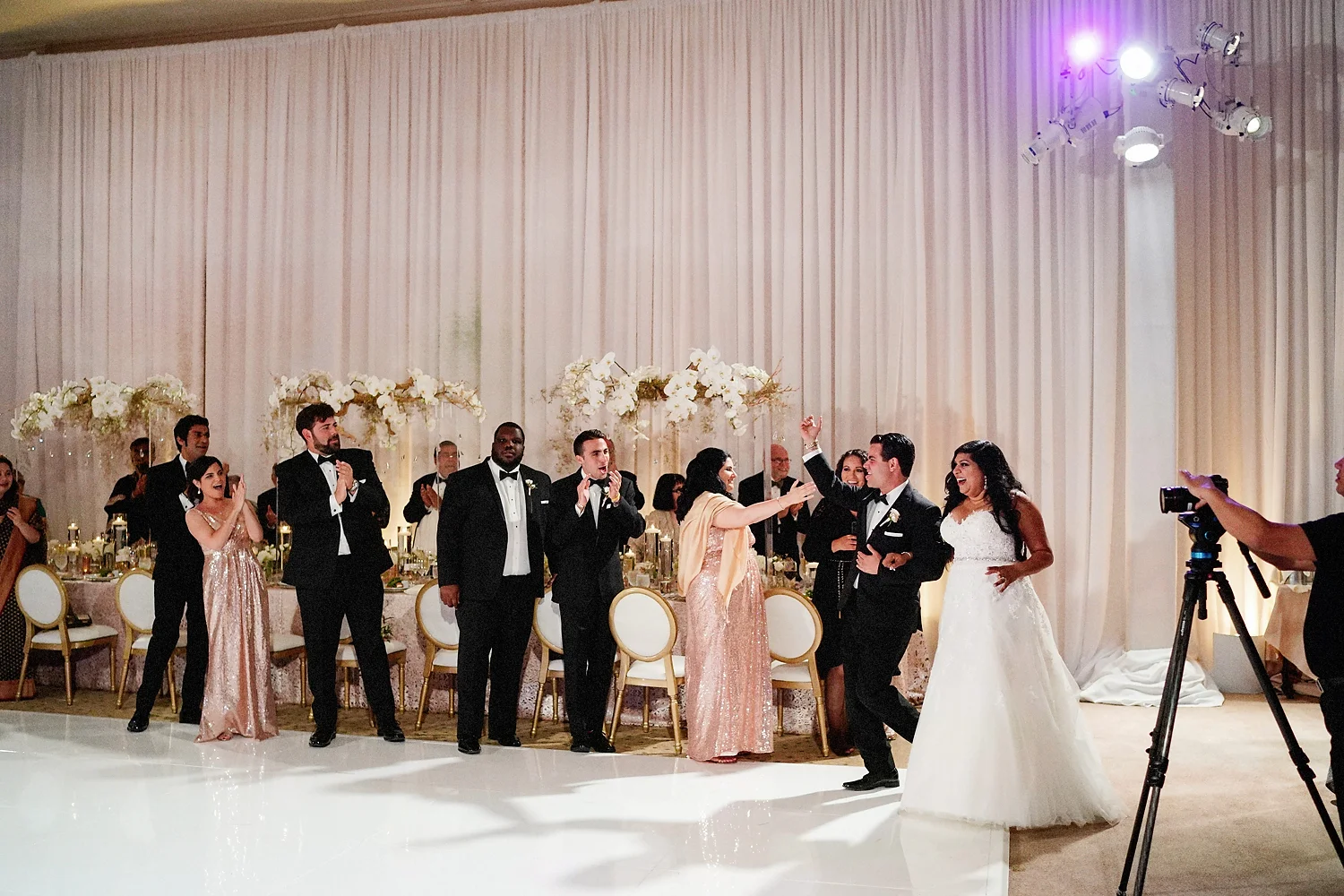
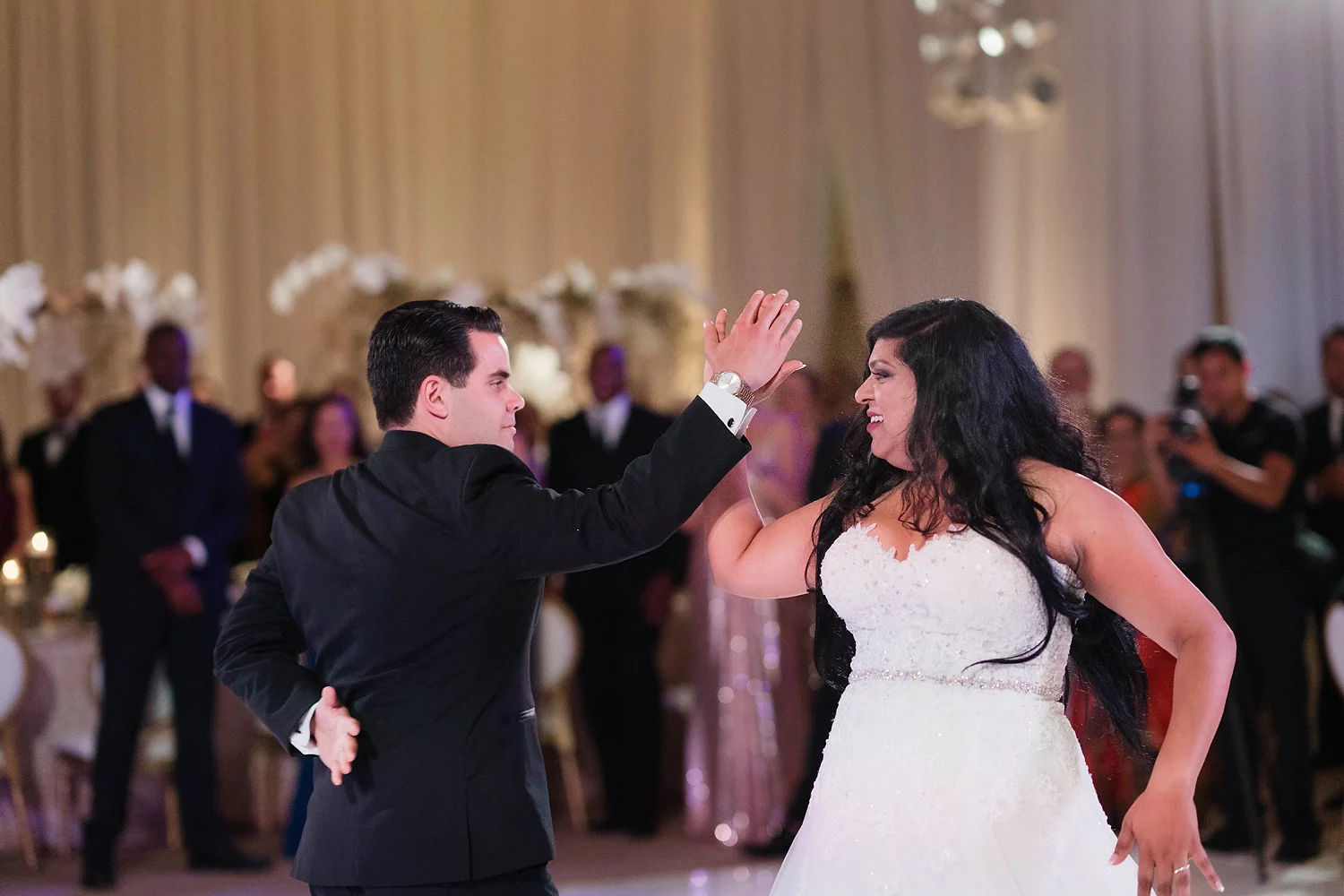
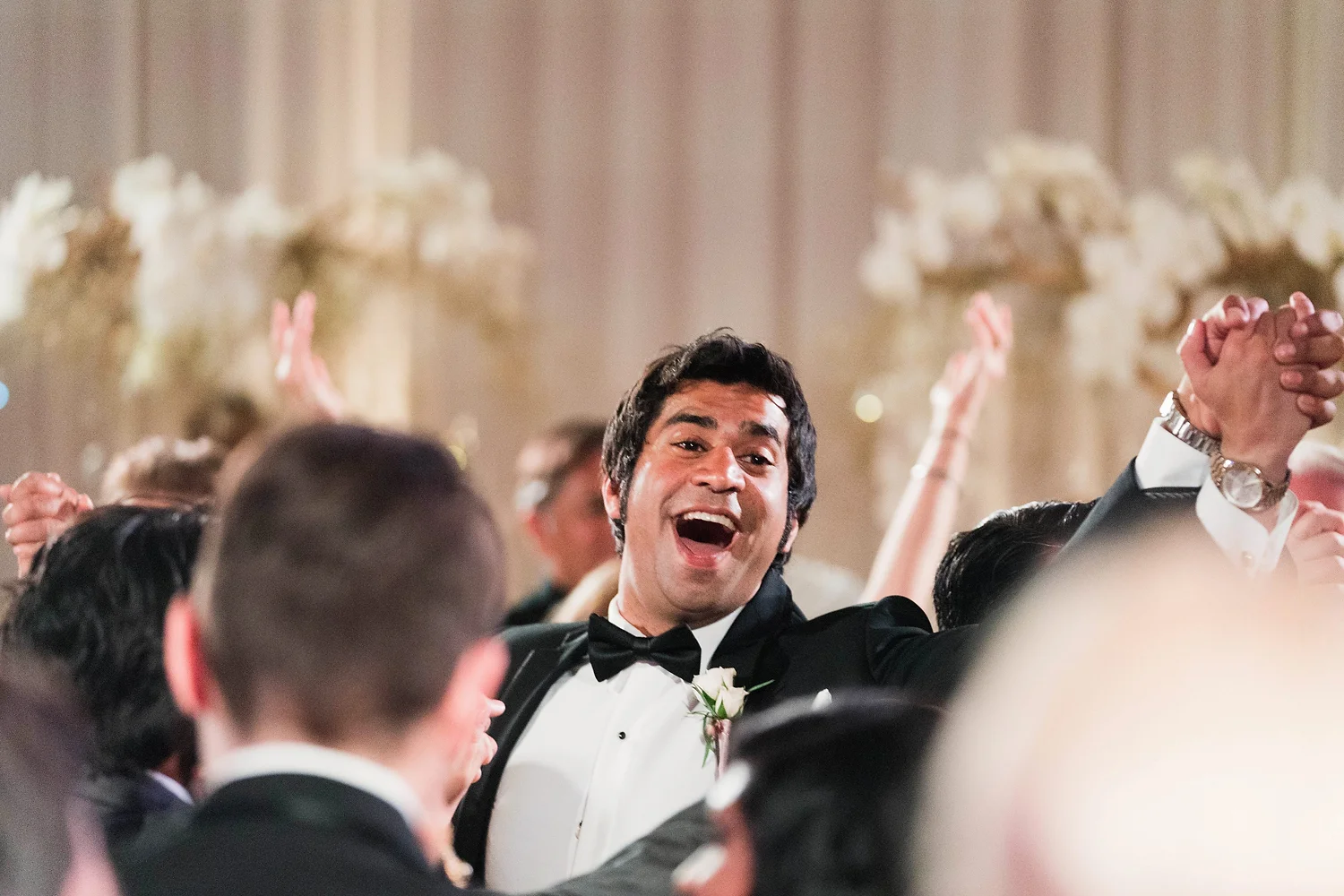
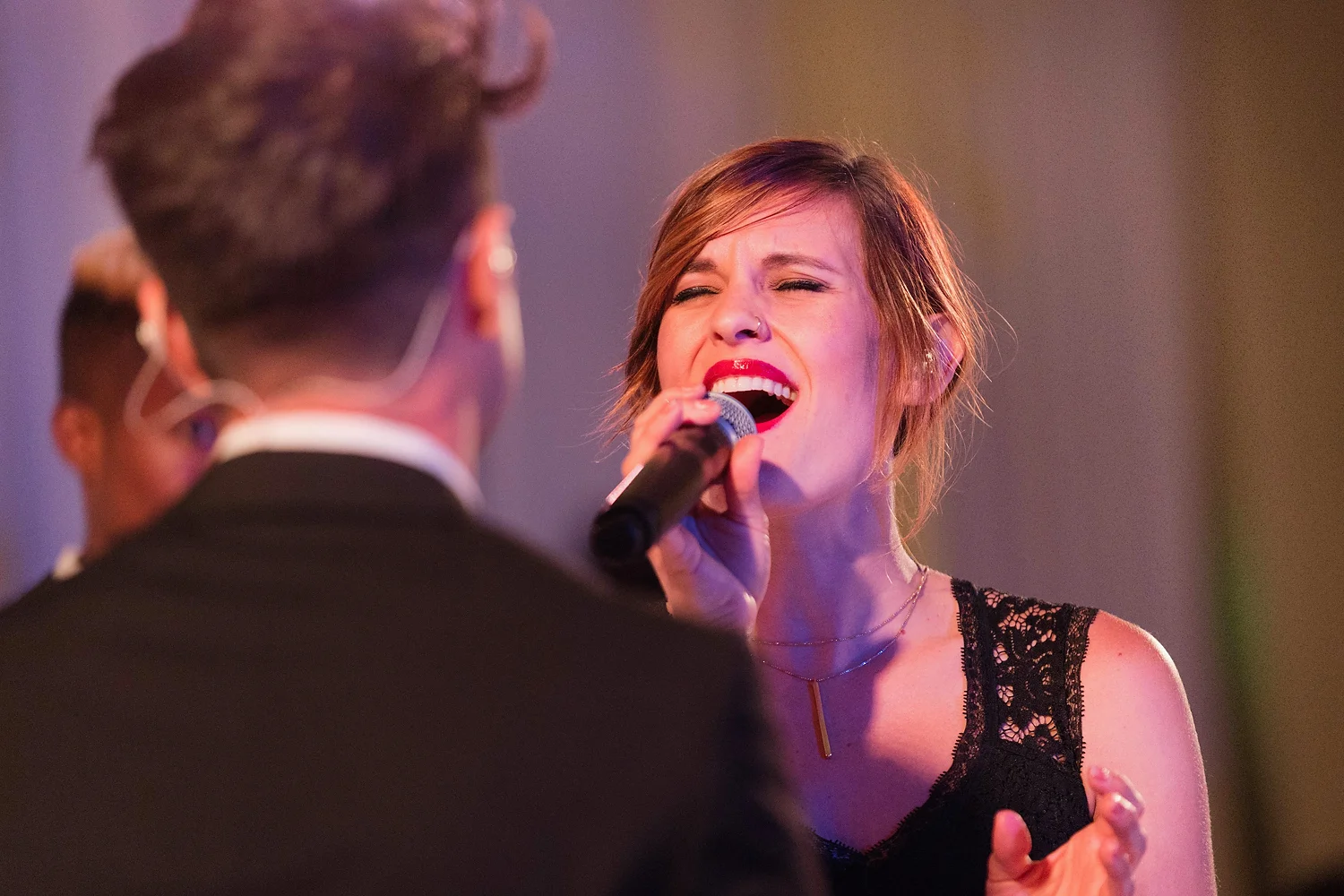
But the proof is in the shooting and I was able to shoot a wedding as a third shooter for my friend (and fellow Sony user) Jim Kennedy at a Hindu/Jewish wedding he was commissioned for in late May (right after the camera came out). It was like shooting two weddings in one!! I used two a9 cameras for the event and four lenses: 24-70 f2.8 Zeiss A mount (with LA-EA3 adaptor), 70-200 f2.8 G Master, 35 f1.4 FE Zeiss, and the 85mm f1.4 G Master.
The camera was an absolute joy to use because the autofocus was so accurate, the speed during those fleeting special moments in a wedding was so helpful, but I have to say the best part of the experience was the fact that the camera was totally silent during both ceremonies.
It was like shooting video in that the guests simply could not hear my camera make a sound. I believe that this will soon become a huge benefit and selling feature for not only wedding photographers, but people such as Photographers on Movie Sets, Golf Photographers, the White House — any photographer who needs to keep a quiet and low profile.
In many ways, it was perhaps the easiest wedding photography experience that I have had because I had so much certainty on exposure (from the Live View of Settings Effects on in the EVF), precision of auto focus, and knowing that my camera was not drawing undue attention due to noise. Simply an astounding photographic experience.
Here is a video slideshow of my favorite images from the day (about a 12-hour event and the cameras performed exceptionally well without any overheating issues and good life out of the batteries).
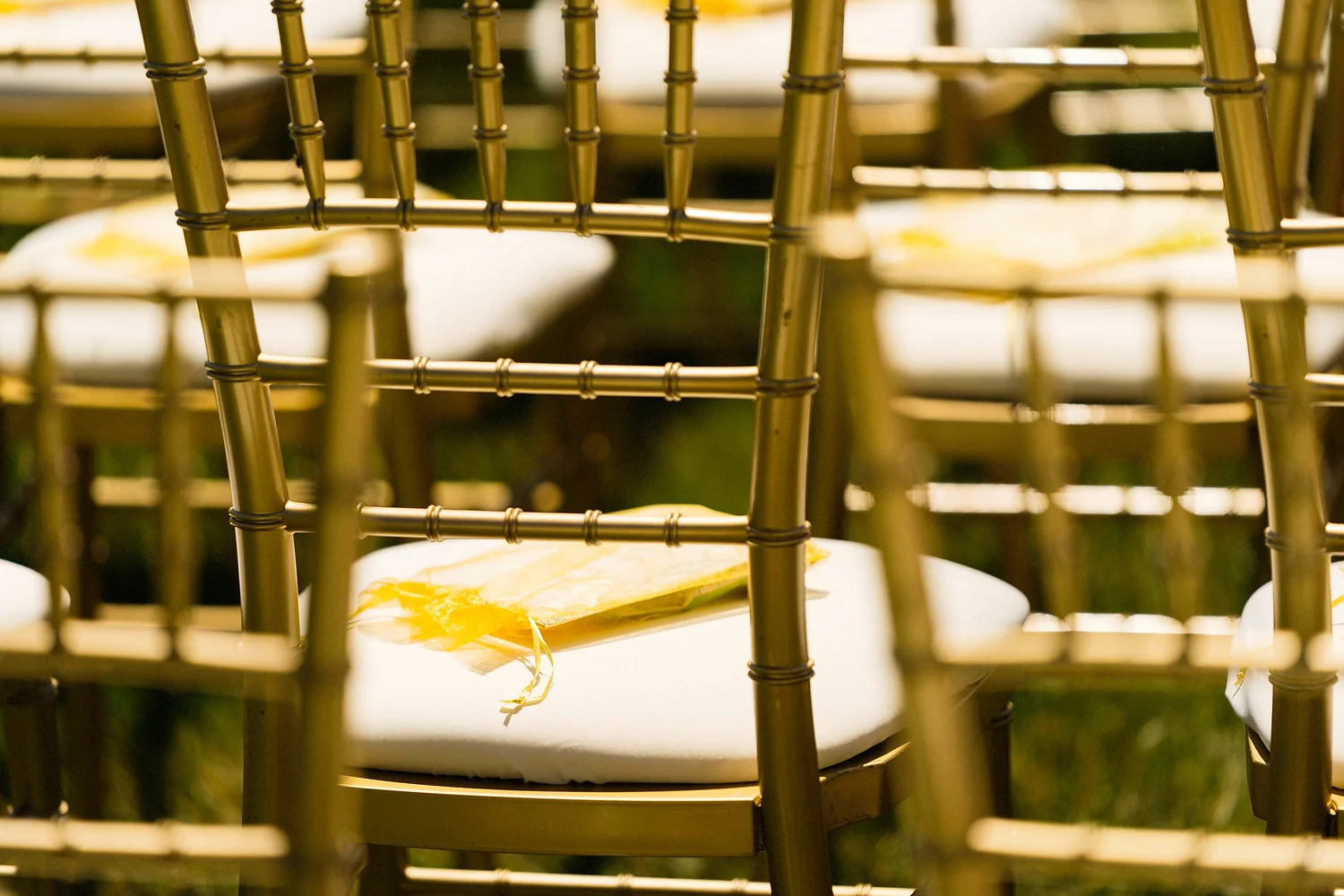
Here is a gallery of the still images from the day which started (for me) around 10:30 am, went through the afternoon and into the evening.











How can this camera be improved?
For news photographers, the FTP has to be configured to work better for newspaper and agency workflow. For a wedding photographer such as me, that is not an issue. My main issue is that this camera is super niched in its categorization.
Certainly it is a fine news gathering and sports capturing camera. But it’s also an amazing camera for the wedding and portrait crowd. Those two market sectors are huge and continue to be viable and sustainable business models. Not without their struggles of course, but they certainly seem to be more resilient than the news photography and sports photography game.
Those sectors of photojournalism have suffered terribly in the past 15 years — sports photography just ain’t what it used to be. Smaller newspaper staffs, more consolidation of agencies such as what Getty has done, and the loss of staff photographer positions at the venerable Sports Illustrated have made sports photography a shrinking marketplace. Sure, it’s sexier and more appealing than the wedding and portrait space, but when you have sports photographic agencies paying pitiful and ungodly low amounts for a sports assignments, it’s no wonder that this sector of the market has cratered.
Conversely, wedding and portrait shooters have a bigger marketplace and while those sectors have suffered some since the 2008 recession there are still photographers making significant incomes in these spaces.
Pricing too needs to be lower. While $4498 is a “bargain” compared to the $6k prices of the 1DX II or the Nikon D5 — it begs the question as to who is buying those cameras? Many journalists are getting those cameras as part of their equipment from their employer. But I know very few in the wedding and portrait space that use these cameras. Aside from cost, size is also a factor that is prohibitive with those oversized DSLRs. The a9 is a tiny camera in comparison but really punches far above its weight class.
Were Sony to price this camera in say the $3500-$3999 range, it would give them a market position that would say that this camera performs like a 1DX II but is priced like a 5d IV! I think many photographers who want to jump would be more inclined to do so, were this camera to come in at the price of the 5D IV.
I would love to see a dynamic range closer to the a7RII and the a7SII. The a9 is very good in this regard (check out the latest DxO reporting on this) and would love to see it even better.
On the video side of things, I hope Sony will upgrade firmware so that there is S-Log and Cinema Profiles. By not releasing them it seems odd, despite the fact that the camera is aimed at still shooters given that every virtually every current Sony mirrorless camera (including the point and shoot RX100V) do include it. The video I have shot is superb nonetheless and with the improved IBIS it is even more stable when hand holding. I think this will further expand the market for the camera by upgrading the video through firmware.
This camera is, without a doubt, the camera that I dreamed Sony would make when I switched from DSLRs back in 2014 and I’m so glad that they did. Now I just need to get two of them!
All images shot with Sony a9, Raw + jpeg. Initially edited in Photo Mechanic, RAW files processed in Adobe Lightroom CC and then finished using Alien Skin Exposure X.
Thank you to Mona & Ben and their families for allowing me to document their special day and a huge thank you to Jim Kennedy for allowing me to be a third shooter for him at his wedding which gave me a real world test of the performance of the Sony a9!